
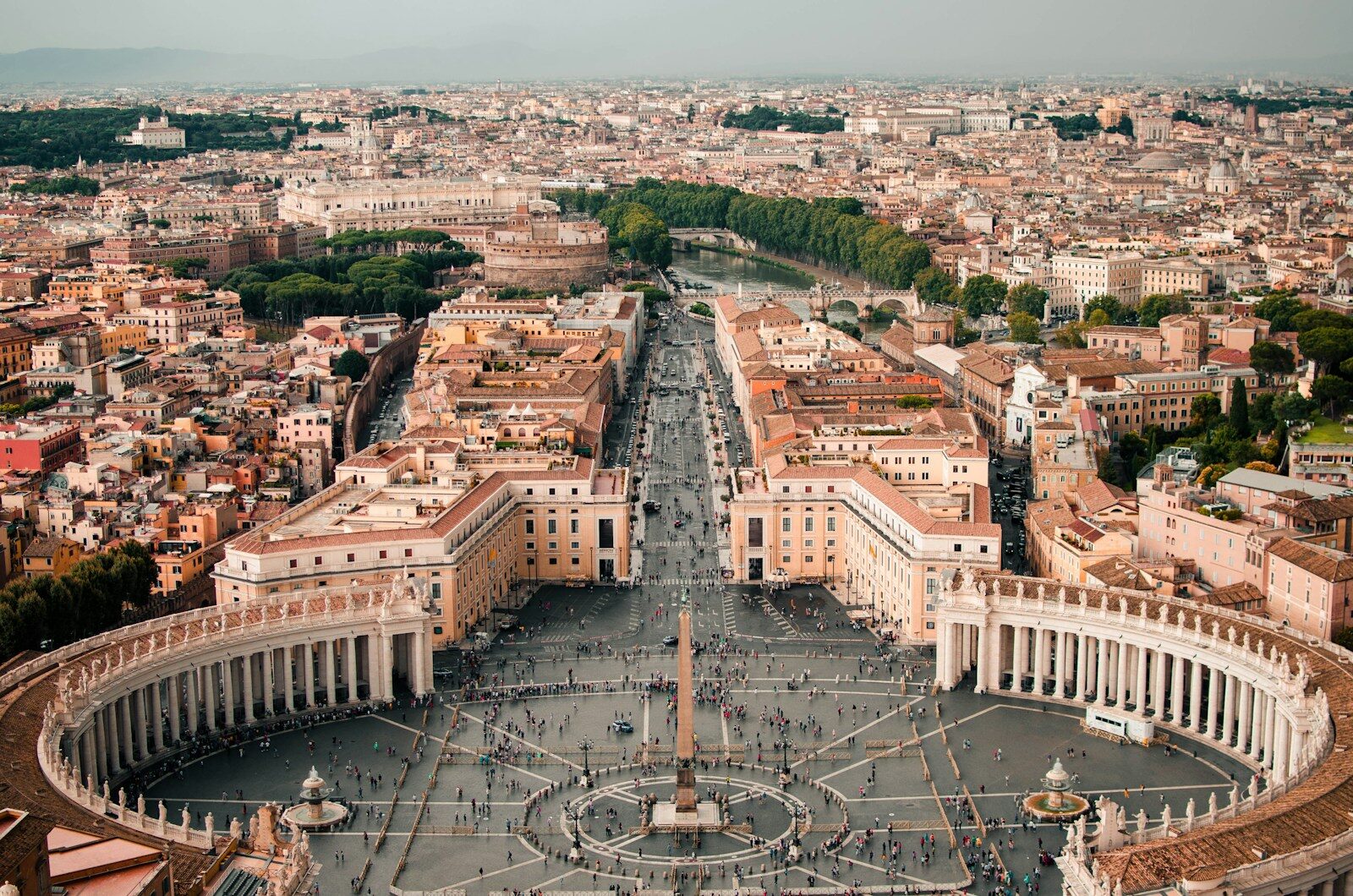
15 Hidden Gems in Rome Worth Finding
Rome makes it easy to follow the crowd.
You see the Colosseum. You walk toward the Trevi Fountain. You squeeze through the streets around the Pantheon.
Before you know it, half the day is gone.
There is nothing wrong with seeing Rome’s famous landmarks. They are famous for a reason.
But the city becomes much more interesting when you turn away from the obvious route.
A quiet garden appears behind a busy street. An old power station turns out to be a museum. A tiny keyhole frames St. Peter’s dome.
These are the places that make you slow down.
1. The Aventine Keyhole
There is something almost ridiculous about how small this place is.
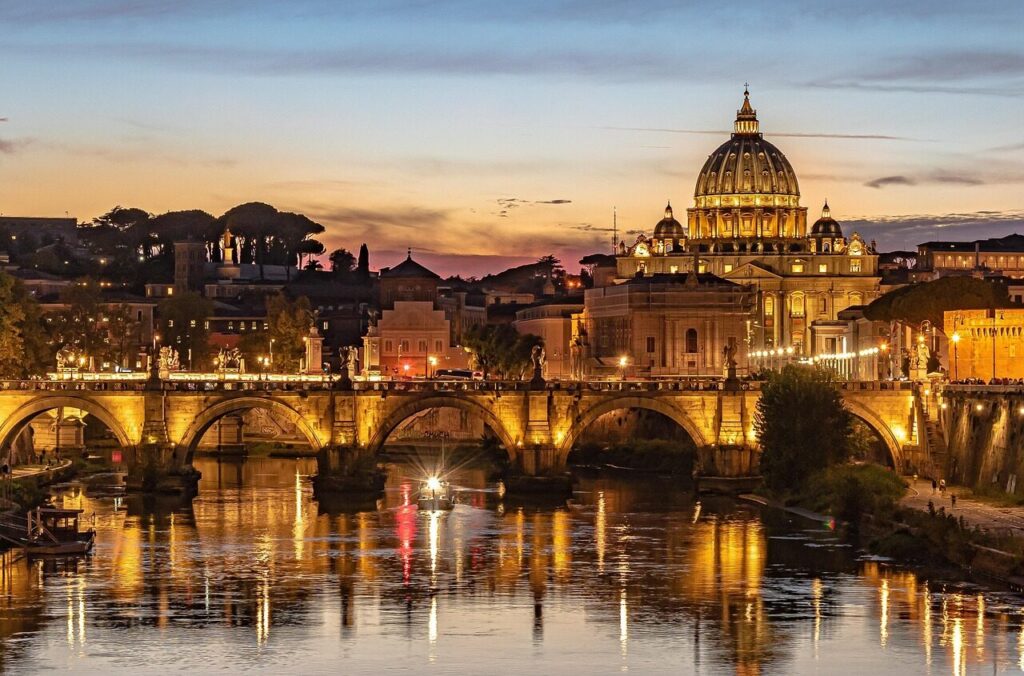
On the Aventine Hill, a tiny keyhole gives you one of Rome’s most unexpected views.
Look through it and St. Peter’s Basilica appears at the end of a tree-lined avenue.
The famous view comes from the door at number 3 Piazza dei Cavalieri di Malta. The square was redesigned by Giovanni Battista Piranesi in the 18th century.
Rome’s official tourism site has more information about the Aventine and its famous keyhole.
Don’t make the keyhole your entire visit.
Walk around the hill afterward. The nearby Orange Garden makes an easy next stop.
2. Giardino degli Aranci
The Orange Garden is only a short walk from the keyhole.
It feels much quieter.
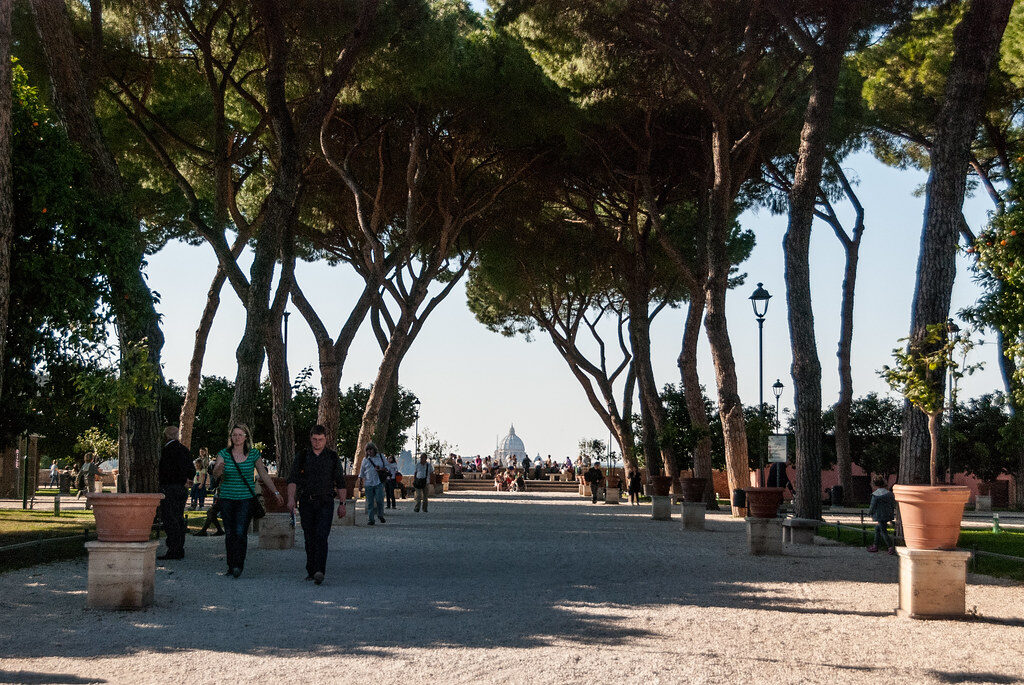
The garden, officially known as Parco Savello, sits on the Aventine Hill. From its terrace, you can see across Rome toward Monte Mario and the Janiculum.
The Tiber runs below the hill.
There is no complicated itinerary here.
Walk the central path. Find a spot near the terrace. Stay for a few minutes.
See the official Rome tourism guide to the Aventine and Giardino degli Aranci.
It is a simple place to slow down after a busy morning.
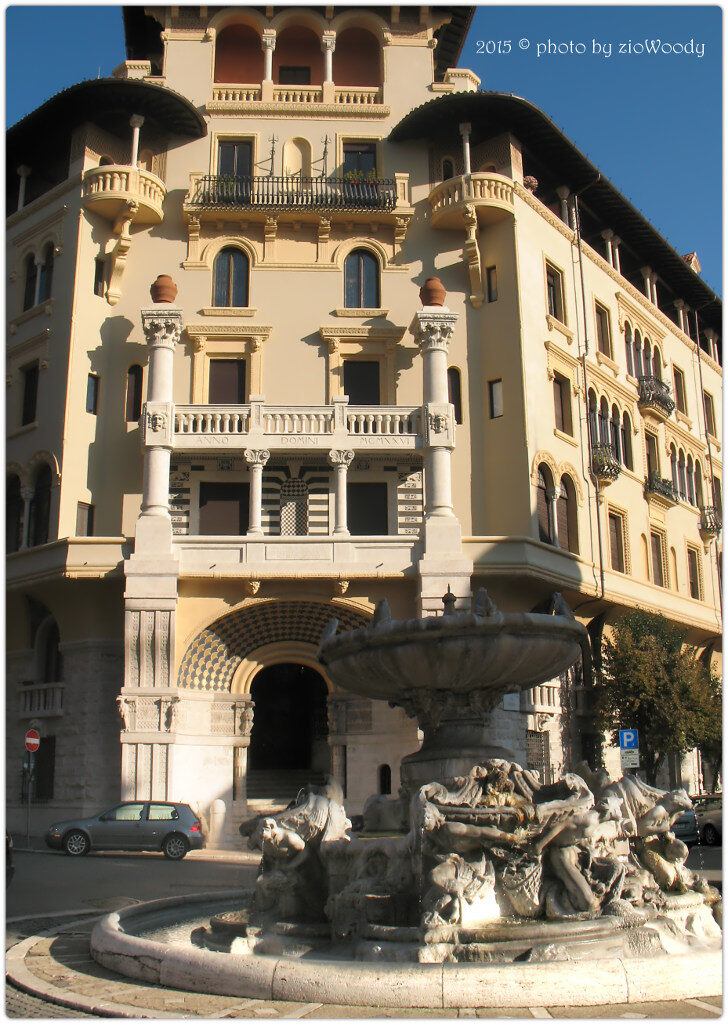
3. Quartiere Coppedè
Rome is known for ancient ruins and grand Baroque buildings.
Then there is Quartiere Coppedè.
The architecture here feels completely different.
Art Nouveau, Art Deco, Gothic, Baroque and medieval influences are mixed together in a surprisingly small area.
Gino Coppedè designed the complex between 1915 and 1927. The area includes 26 small palaces and 17 villas.
Read the official Rome tourism information about Quartiere Coppedè.
Look closely at the buildings around Piazza Mincio.
Some details are wonderfully strange.
This is not a place to rush through.
4. Centrale Montemartini
This is one of the places that makes you question what you expect from Rome.
Centrale Montemartini was once a thermoelectric power station.
Today, ancient Roman sculptures stand beside enormous industrial machines.
The original industrial setting is still part of the experience.
Ancient Rome meets industrial Rome in a way that feels almost impossible until you see it.
The museum is part of the Capitoline Museums and has recently been refurbished, with updated visitor routes and accessibility improvements.
Check the official Centrale Montemartini information before visiting.
If traditional museums start to feel repetitive, this is a very different experience.

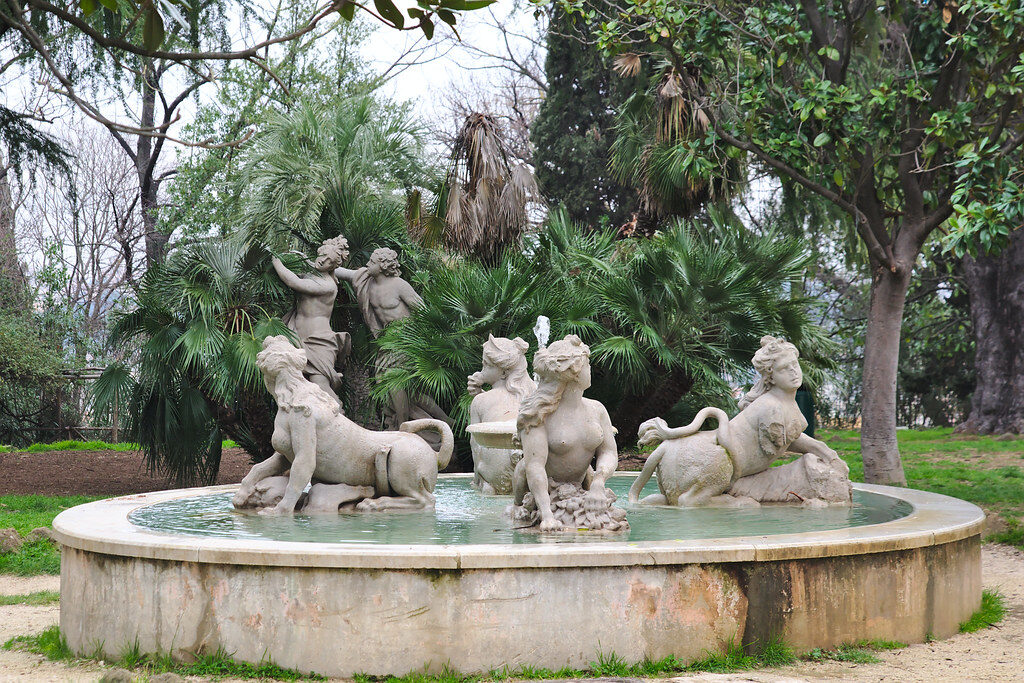
5. Villa Sciarra
Not every hidden corner of Rome needs a famous monument.
Villa Sciarra is a good example.
This peaceful garden is filled with trees, fountains, sculptures and small architectural details.
Its history stretches back through several periods of Rome’s past, including earlier Roman associations and later transformations.
What makes it appealing is the atmosphere.
You can simply walk.
Follow the paths. Look at the statues. Take your time.
6. Villa Torlonia and Casina delle Civette
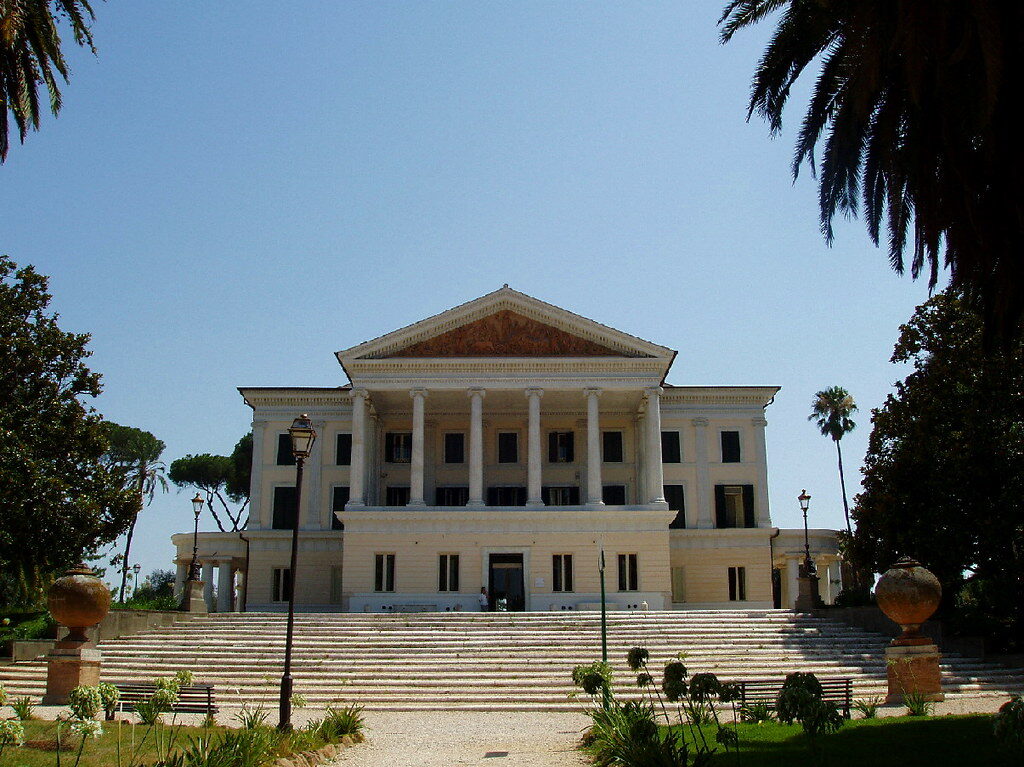
Villa Torlonia is much more than a city park.
The estate contains gardens, museums and some wonderfully unusual buildings.
The most memorable may be Casina delle Civette, known for its decorative stained glass and eclectic architecture.
There is also a theatre, an orangery and other unusual structures around the grounds.
See the official Rome tourism information for Villa Torlonia.
Give yourself time here.
The fun is discovering what appears around the next corner.
7. Porta Alchemica
Rome has no shortage of impressive doors.
This one is different.
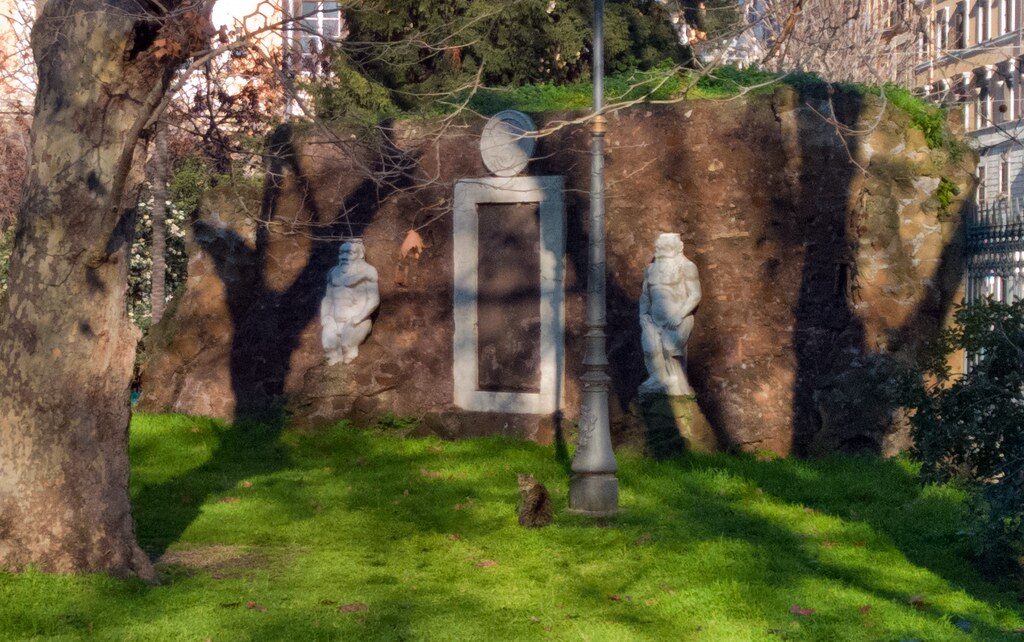
Porta Alchemica, also known as the Alchemical Door, is a surviving part of the former Villa Palombara near Piazza Vittorio Emanuele II.
The doorway is covered with symbols and inscriptions connected with alchemy.
It is an unusual piece of Rome’s history, especially because it is so different from the city’s better-known monuments.
The site is currently managed as a cultural attraction with visitor arrangements, so check the official information before planning your visit.
Check the official Rome tourism information for Porta Alchemica.
8. The Roman Houses Beneath Palazzo Valentini
Modern Rome has another Rome underneath it.
Several meters below Palazzo Valentini are ancient Roman houses dating back to the 4th century AD.
The Domus Romane include decorated rooms and private bathing areas.
The experience goes beyond looking at ruins.
Multimedia reconstructions help visitors understand what the houses may have looked like.
See the official Rome tourism information for the Domus Romane beneath Palazzo Valentini.
After visiting, you may start looking at Rome’s streets differently.
There is history underneath almost everything.
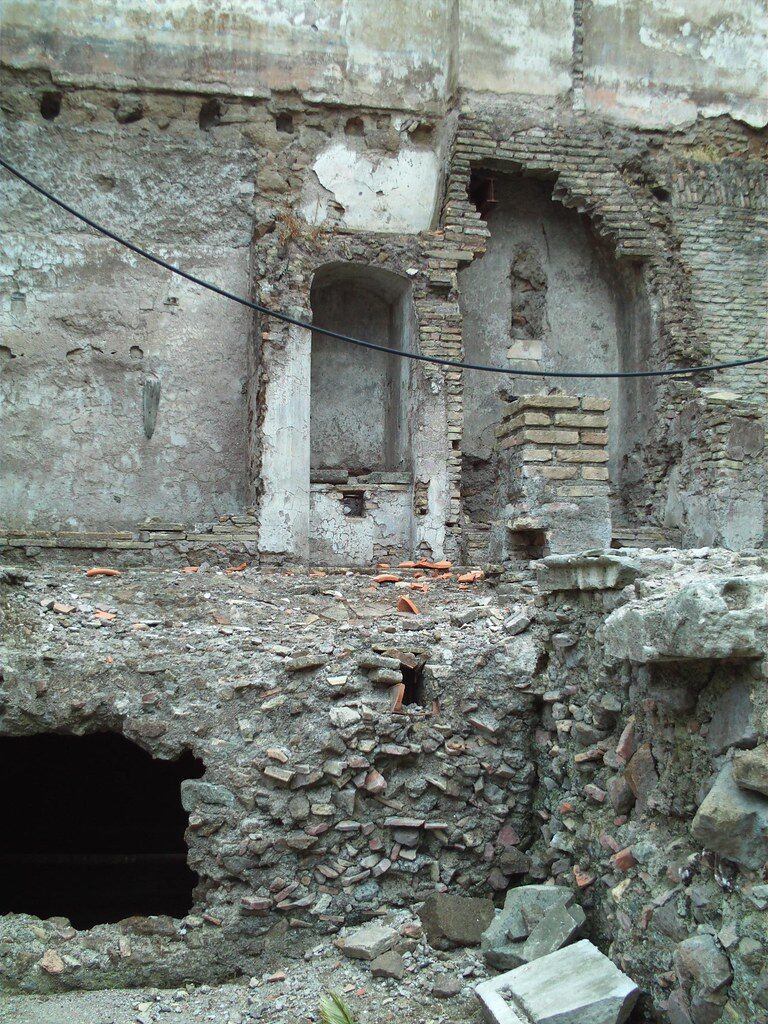
9. Crypta Balbi
Crypta Balbi is for travelers who enjoy the layers of a city.
Rome did not simply go from ancient city to modern capital.
Buildings changed. Streets changed. Old structures were reused.
Crypta Balbi helps make that process visible.
It is less immediately dramatic than the Colosseum.
But if you enjoy understanding how cities evolve, it can be much more rewarding.
10. Parco degli Acquedotti
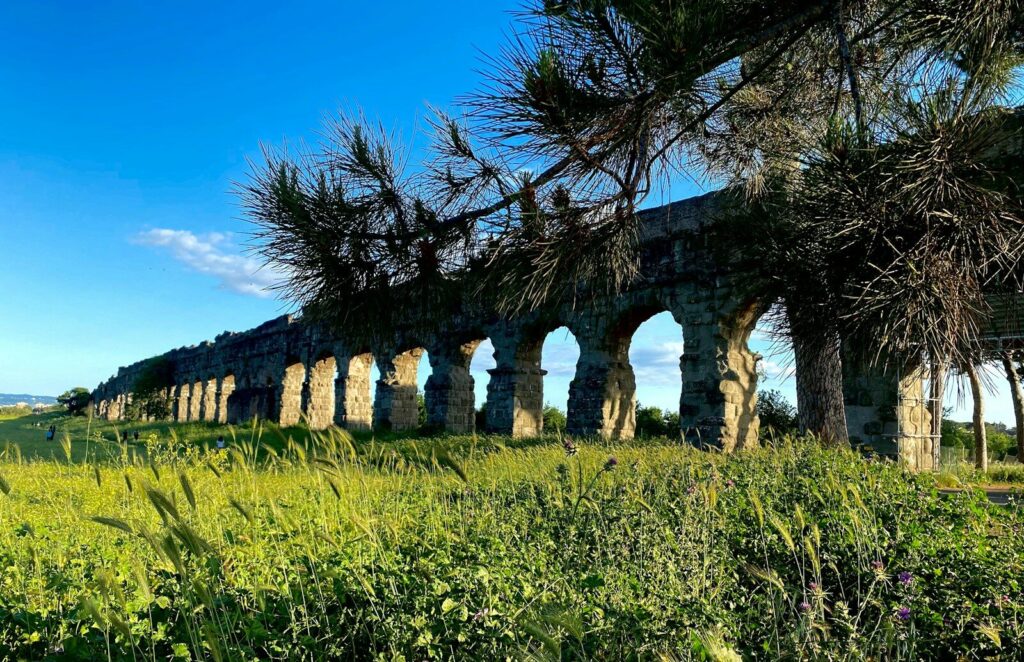
This is where Rome starts to feel surprisingly wild.
Huge ancient aqueducts cross an open landscape outside the historic center.
There are fields, umbrella pines, distant hills and enormous stone arches.
It feels very different from central Rome.
The park is part of the Appian Way archaeological landscape and is one of the city’s most striking places for seeing ancient engineering in an open setting.
Explore the official Rome tourism information about the Park of the Aqueducts.
Late afternoon is especially beautiful.
The stone catches the warm light.
11. Via Appia Antica
Via Appia Antica is not really a secret anymore.
But it belongs here for a different reason.
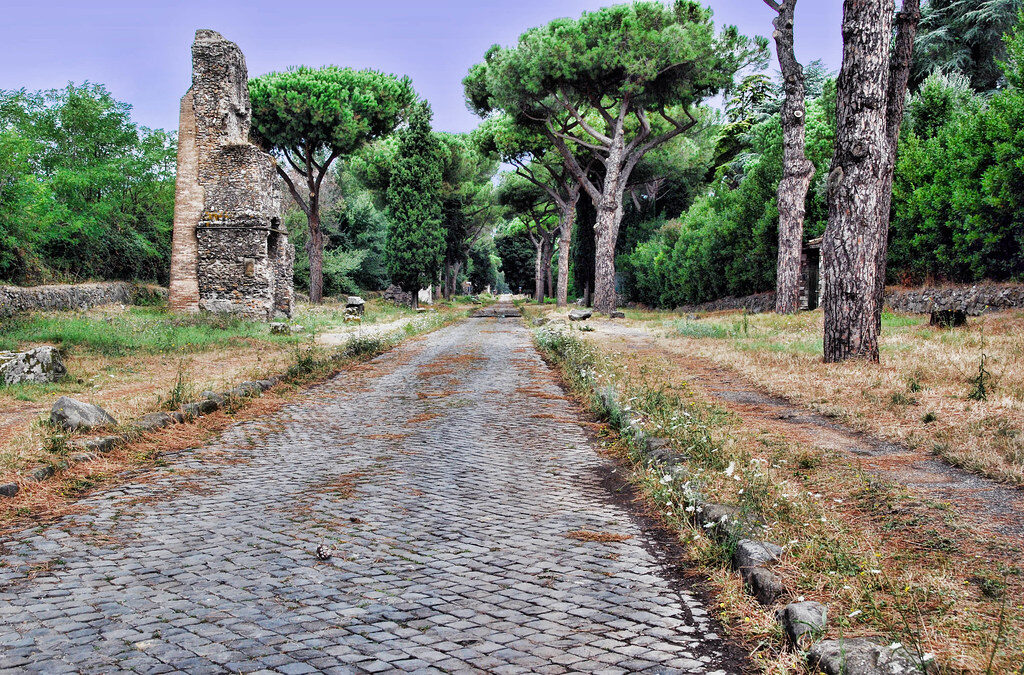
It gives you the feeling of leaving modern Rome without leaving its history.
Ancient paving stones run through a much quieter landscape.
Ruins, trees and old monuments appear along the route.
Lonely Planet also recommends the Appian Way as a way to escape the busiest parts of Rome and combine ancient history with nature.
See Lonely Planet’s guide to experiencing Rome beyond the major landmarks.
Walk part of it. Rent a bike if you prefer.
The road itself is the attraction.
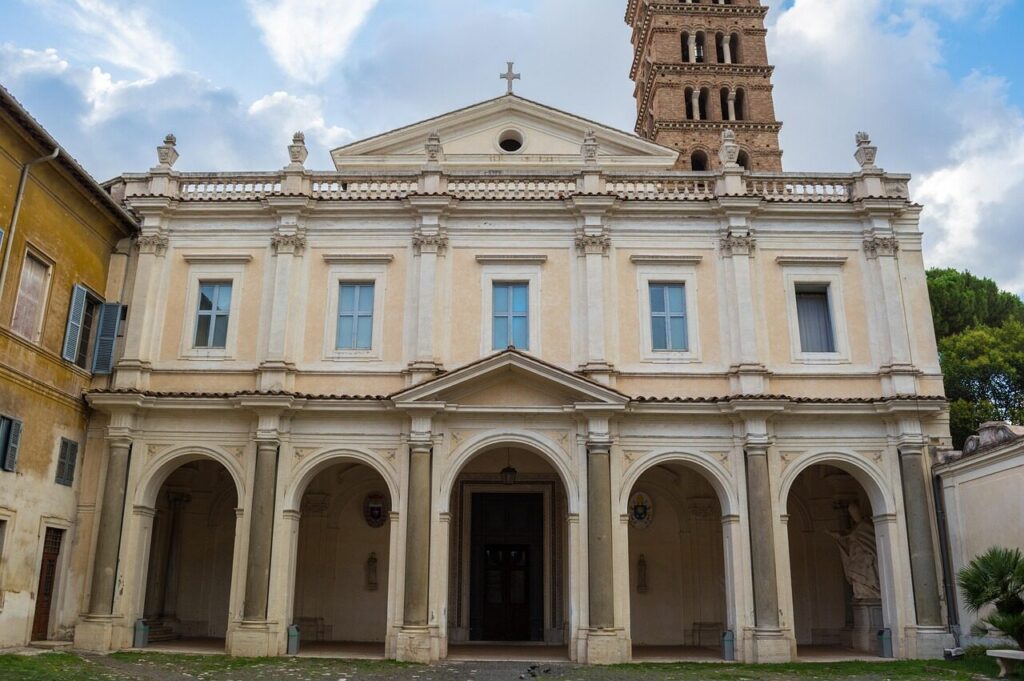
12. Basilica di San Crisogono
Trastevere is no secret.
But even popular neighborhoods have places that are easy to overlook.
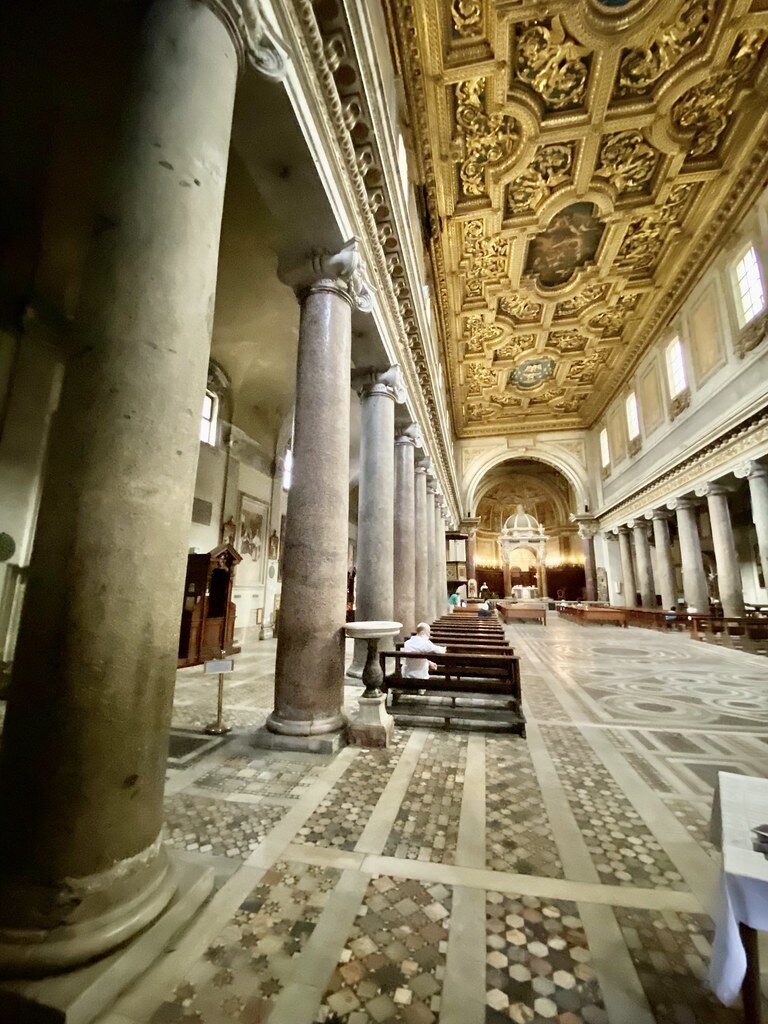
Basilica di San Crisogono is one of them.
The historic church contains layers of Rome’s religious and architectural history.
It is a quiet contrast to the busy streets outside.
Sometimes that is all you need.
13. The Streets Around Piazza della Bocca della Verità
The Mouth of Truth is not hidden.
But the area around it is worth slowing down for.
Nearby are the Temple of Hercules Victor and the Temple of Portunus.
Santa Maria in Cosmedin adds another layer of history.
The lesson is simple.
Don’t stop looking after you’ve found the attraction you came for.
Sometimes the best discovery is ten steps away.
14. Via dell’Arco della Ciambella
This is the kind of street that rewards looking up.
Via dell’Arco della Ciambella sits near the Pantheon.
It doesn’t look like a major attraction.
Then you notice the ancient remains above and between the later buildings.
The ruins are connected to the Baths of Agrippa.
The street’s unusual name comes from the shape of the surviving Roman structure.
Read the official Rome tourism history of Via dell’Arco della Ciambella and the Baths of Agrippa.
No major attraction sign is needed here.
You just need to notice what is above you.
15. Monti
Monti is no longer a secret.
Still, it offers a different rhythm from the biggest tourist sights.
The neighborhood sits close to the Colosseum but feels more residential.
There are small squares, cafés, independent shops, old buildings and narrow streets.
Lonely Planet describes Monti as one of the neighborhoods worth exploring beyond Rome’s main tourist areas.
Explore Lonely Planet’s guide to Rome beyond the major landmarks.
The best way to experience it is without a strict plan.
Pick a street.
Walk.
Stop when something catches your eye.
How to Find More Hidden Corners in Rome
You don’t need a secret map.
In fact, a little less planning can help.
Leave one afternoon open.
Walk away from the busiest street.
If a narrow lane looks like it leads nowhere important, take it.
Look above shopfronts.
Read old plaques.
Notice the small details.
Lonely Planet makes a similar point in its guide to Rome beyond the main tourist trail: the city has countless neighborhoods, ancient roads, parks and smaller experiences that sit outside the standard itinerary.
Read Lonely Planet’s Rome beyond the tourist trail guide.
Rome is too old and too layered to fit neatly into a three-day itinerary.
The best discoveries are often the ones without a giant arrow pointing toward them.
Final Thoughts
Rome doesn’t need another list telling you that the Colosseum is worth seeing.
You already know that.
What makes the city special is everything between the famous places.
The quiet garden.
The strange building.
The old street you almost skipped.
The view that wasn’t on your itinerary.
Those moments are easy to miss if you spend the entire trip following the map.
So keep the map.
Just don’t let it decide everything.
Sometimes the best part of Rome is what you find after you turn away from it.