London in Winter and the Best Ways to Enjoy the City
London in winter has a different rhythm from the city in summer. The days are shorter, the parks take on quieter colours, and the streets around historic landmarks feel especially atmospheric in the early morning and after sunset.
Cold weather does not have to limit your plans. You can walk along the Thames, explore world-class museums, spend an afternoon in a traditional café or visit seasonal events across the capital. The key is to balance outdoor sightseeing with places where you can warm up.
Is London Worth Visiting in Winter?
Yes, especially if you enjoy museums, historic streets, theatre, food and city walks. Winter is a useful time to explore London’s indoor attractions, while its landmarks and riverside paths remain rewarding even when the weather is grey.
December brings Christmas lights and seasonal markets, while January and February can be better suited to museum visits, quieter sightseeing and relaxed café stops. Your experience will depend on the dates you choose and the events taking place during your stay.
Snow is possible, but it is not something to count on. London’s winter weather is often cool, damp and changeable, so plan around the forecast rather than expecting the city to be covered in snow.
If festive decorations are a major reason for your trip, our guide to Christmas in London covers seasonal streets and Christmas experiences in more detail.
1. Walk Along the South Bank
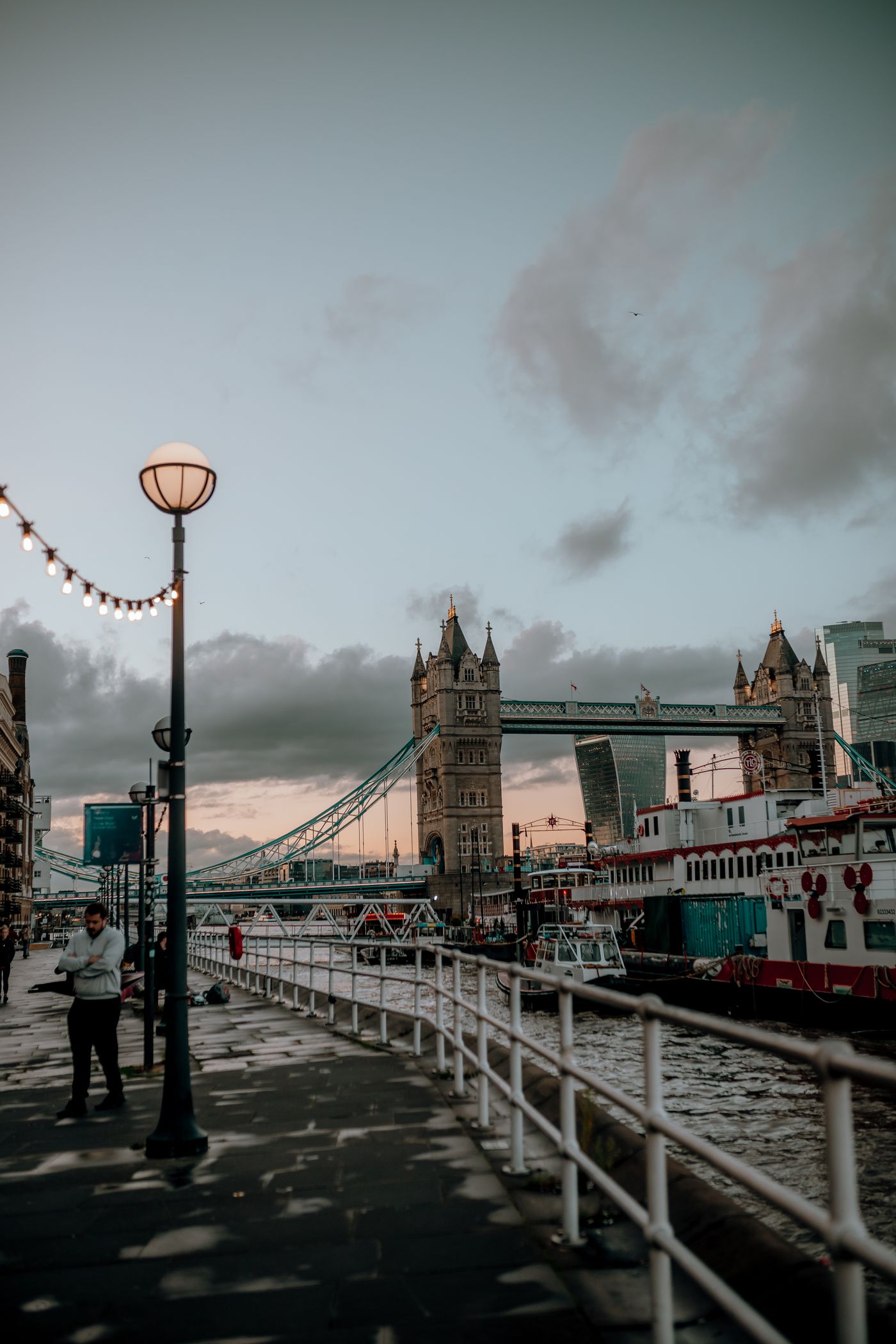
The South Bank is one of the easiest places to enjoy London’s riverside scenery. Follow the Thames past landmarks, bridges and cultural venues, with plenty of places to pause for a warm drink along the way.
Start near Westminster Bridge and continue towards the London Eye, or walk in the opposite direction towards the Tate Modern and Millennium Bridge. You do not need to complete the entire route; choose a stretch that fits the weather and your schedule.
Late afternoon can be a good time to see the city’s lights come on. On wet or windy days, keep the walk short and plan an indoor stop nearby.
2. See St Paul’s Cathedral and Millennium Bridge
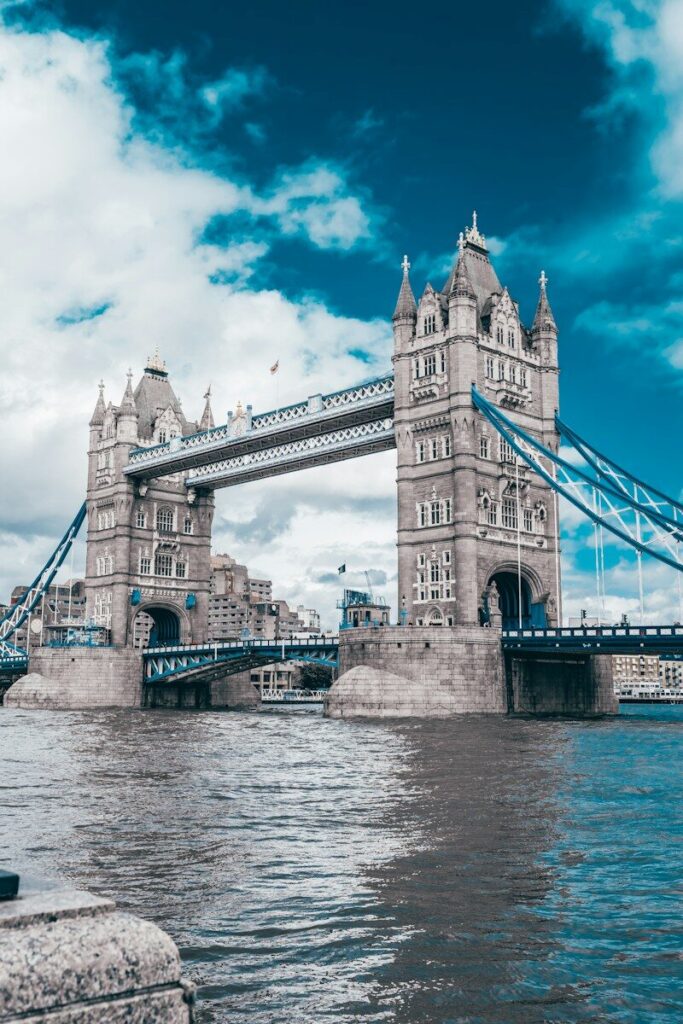
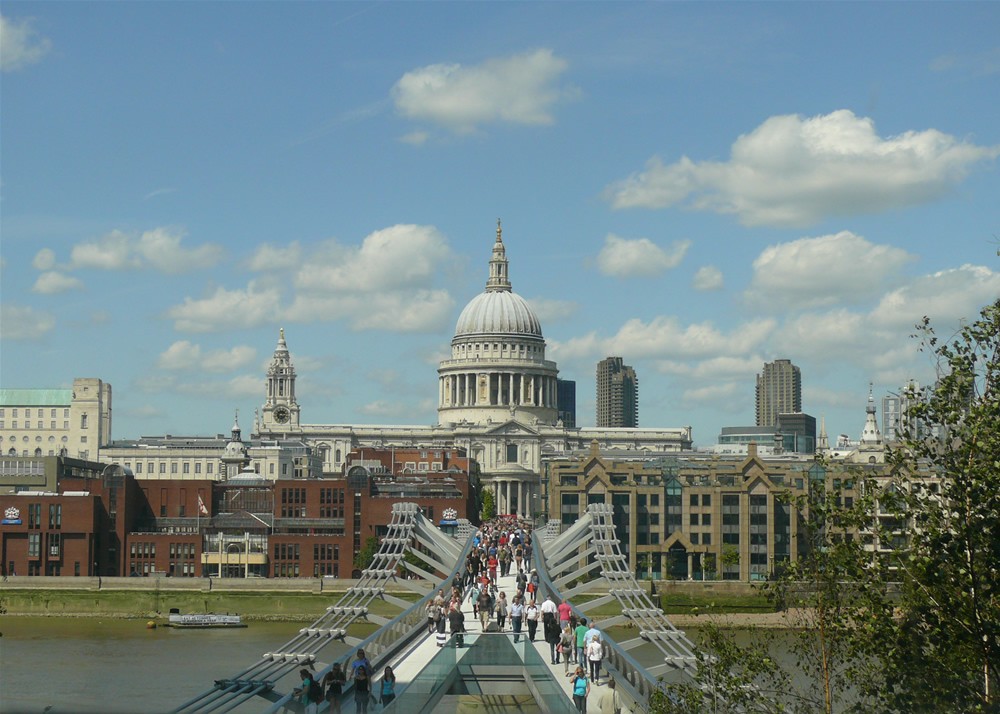
St Paul’s Cathedral and Millennium Bridge make a memorable combination for a winter walk. The bridge provides an open view towards the cathedral, while the surrounding streets connect easily with the City of London and the riverside.
Visit during daylight for architectural details, or return near sunset for a different view of the skyline. The walk also works well alongside a visit to Tate Modern, which sits close to the southern end of the bridge.
Check the official St Paul’s Cathedral website if you want to go inside. Visitor access, services and ticket arrangements can affect opening times.
3. Spend a Few Hours at London’s Museums
London’s museums are especially useful when the weather turns cold or wet. The Natural History Museum, the Science Museum and the Victoria and Albert Museum are all in South Kensington, making it possible to visit more than one without travelling across the city.
The Natural History Museum is known for its grand architecture and collections covering the natural world. The Science Museum is a strong choice for technology and engineering, while the V&A explores art, design, fashion and decorative objects.
Check current exhibitions and entry arrangements before setting out. General admission to many national museums is free, but special exhibitions may require paid tickets or timed entry.
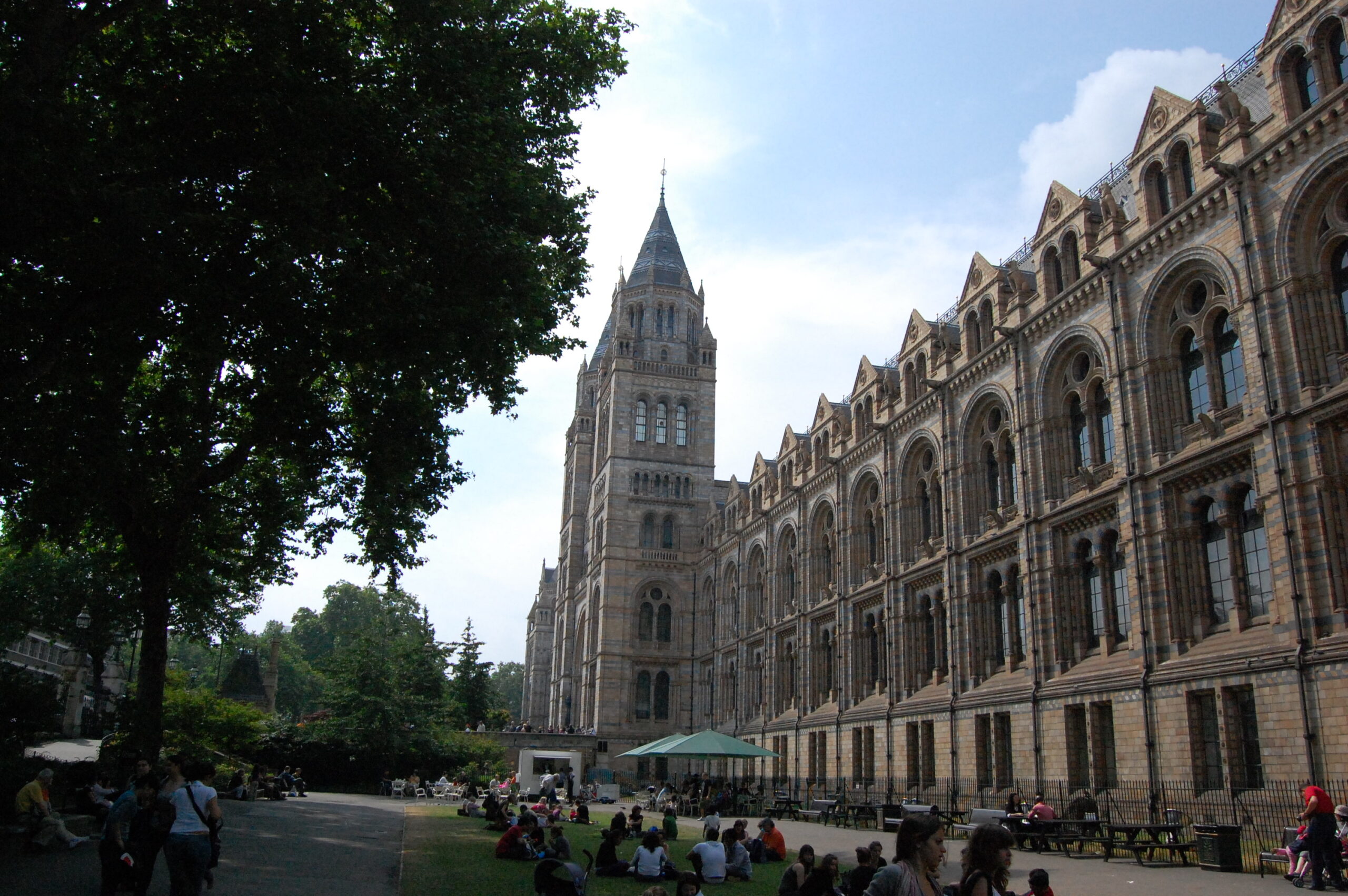
For planning, use the official websites for the Natural History Museum, the Science Museum and the Victoria and Albert Museum.
4. Explore Kew Gardens in Winter
Kew Gardens offers a different view of London, away from the busy streets of the centre. Winter is a good time to explore the garden’s seasonal planting, evergreen trees and glasshouses, where tropical plants provide a warmer setting on a cold day.
The Palm House is one of Kew’s best-known structures. You can combine a walk through the grounds with time inside the glasshouses, but check the daily opening hours and any maintenance notices before travelling.
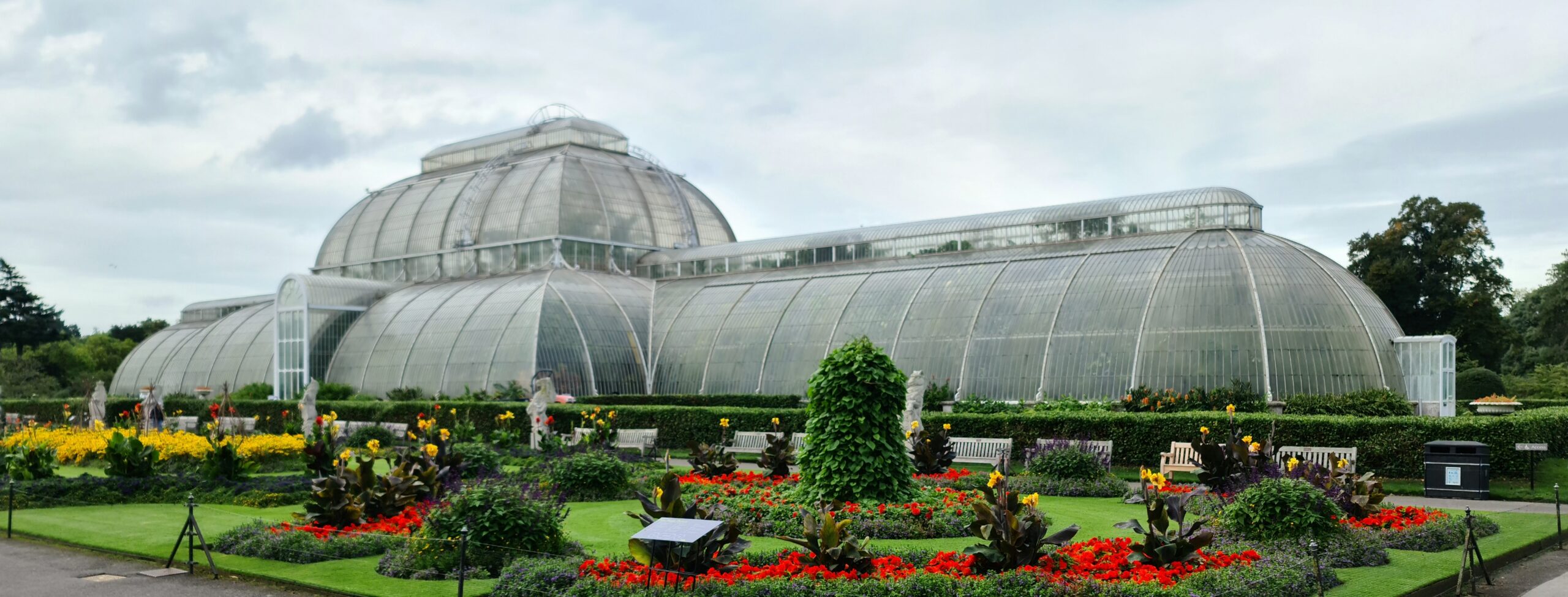
During the festive season, Christmas at Kew adds a separate after-dark light trail on selected dates. For the 2026–27 season, the event is scheduled from November 13, 2026, to January 3, 2027, with some closure dates. Tickets need to be booked separately from ordinary daytime garden admission.
Confirm the latest information on the official Christmas at Kew page before choosing your date.
5. Find a Quieter Winter Walk in Greenwich
Greenwich offers a break from central London’s traffic and shopping streets. Explore the historic centre, walk through Greenwich Park and look across the city from the higher ground near the Royal Observatory.
The park can feel particularly peaceful on a clear winter morning. Paths may be muddy or slippery after rain, so sturdy shoes are a better choice than smooth-soled footwear.
Allow time to see the Old Royal Naval College and the riverside as well. Greenwich works well as a half-day trip, especially if you want a mix of architecture, open space and views.
Check the Royal Parks guide to Greenwich Park for visitor information and access details.
6. Browse Covent Garden and the West End
Covent Garden is a useful stop when you want shops, restaurants and historic streets within a compact area. In winter, the covered market spaces and nearby cafés provide convenient breaks between walks.
Continue towards Soho or the West End if you want to make an evening of it. The area is known for its theatres, so check show schedules early if a musical or play is part of your plans.
December is particularly busy around central shopping streets. If you prefer a quieter visit, go earlier in the day or consider returning after the main shopping rush.
For current events and visitor ideas, consult Visit London’s official visitor guide.
7. Warm Up in a Traditional London Café or Pub
Not every winter activity needs a ticket or a detailed plan. A café stop can be a welcome pause between museums and walks, while a traditional pub offers a place to sit down for a meal after an afternoon outside.
Try a hot chocolate, tea or coffee with a pastry, or look for a pub serving a classic Sunday roast. Menus and prices vary widely, so compare options in the area you are already exploring.
Rather than crossing the city for a single famous café, choose one that fits your route. This leaves more time for sightseeing and makes it easier to adjust your plans if the weather changes.
8. Enjoy London’s Winter Lights and Seasonal Events
Winter evenings can be a good time to see London’s illuminated landmarks. During the festive period, some streets and shopping districts add seasonal displays, while special events take place at gardens, theatres and outdoor venues.
Christmas at Kew is one option for a ticketed evening experience. Other seasonal events change from year to year, so check dates and ticket availability before building them into your itinerary.
If your trip falls in November or December, leave some flexibility for an evening walk after dinner. You may find that a short route through the city centre is just as enjoyable as a tightly scheduled attraction visit.
What to Pack for London in Winter
London’s winter weather can shift between dry, cold days and periods of rain. Packing layers gives you more flexibility than relying on one very heavy item of clothing.
- Water-resistant coat: Useful for drizzle and windy riverside walks.
- Comfortable walking shoes: Choose footwear that handles wet pavements.
- Warm layers: A jumper, scarf and gloves can make outdoor sightseeing more comfortable.
- Compact umbrella: Handy for passing showers, although strong winds may make it less practical.
- Small day bag: Keep essentials together while moving between attractions.
Check the forecast shortly before departure and again during your stay. If heavy rain is expected, switch an outdoor walk for a museum or gallery and return to the riverside when conditions improve.
Getting Around London in Winter
The Underground, buses and rail services make it possible to combine attractions across different parts of London. For short distances in the centre, walking can be just as useful, particularly when several landmarks sit close together.
Check service updates before travelling, especially on weekends and around public holidays. Planned engineering works can change routes, while seasonal events may make some areas busier than usual.
Use the Transport for London website to plan journeys and check disruptions. Allow extra time if you have timed museum entry, theatre tickets or a reservation.
Where to Stay in London During Winter
Covent Garden and the West End are convenient if you want restaurants, theatres and central attractions nearby. South Kensington works well for museum visits, while South Bank provides easy access to riverside walks and several cultural venues.
Greenwich can suit travellers who prefer a quieter base, although you should check journey times to the places you plan to visit most. The best area depends on your budget, transport connections and evening plans.
Compare the total journey time rather than choosing a hotel based on distance alone. A room close to an Underground station may be more practical than a cheaper option that requires several changes each day.
A Simple Two-Day London Winter Itinerary
Day One — Landmarks and the River
- Begin around Westminster Bridge and see the Houses of Parliament from the riverside.
- Walk along the South Bank towards the London Eye.
- Cross Millennium Bridge and explore the area around St Paul’s Cathedral.
- Finish with dinner or a theatre performance in the West End.
Day Two — Museums and Green Spaces
- Spend the morning at one of the museums in South Kensington.
- Have lunch at a nearby café before travelling to another part of the city.
- Choose a walk through Greenwich Park or a visit to Kew Gardens, depending on the weather.
- End the day with a relaxed pub meal or an evening walk through central London.
This itinerary is a starting point, not a timetable. Pick the activities that interest you most and leave room for shorter days, bad weather or unexpected discoveries.
Final Thoughts on Visiting London in Winter
London in winter is best enjoyed at a comfortable pace. A riverside walk, an afternoon in a museum and a warm café stop can make a rewarding day without requiring a long list of attractions.
Plan around daylight and the weather, check opening times before travelling and choose a base that makes your preferred activities easy to reach. If you’re building a broader seasonal trip, you can also explore our winter bucket list for more cold-weather travel ideas.