
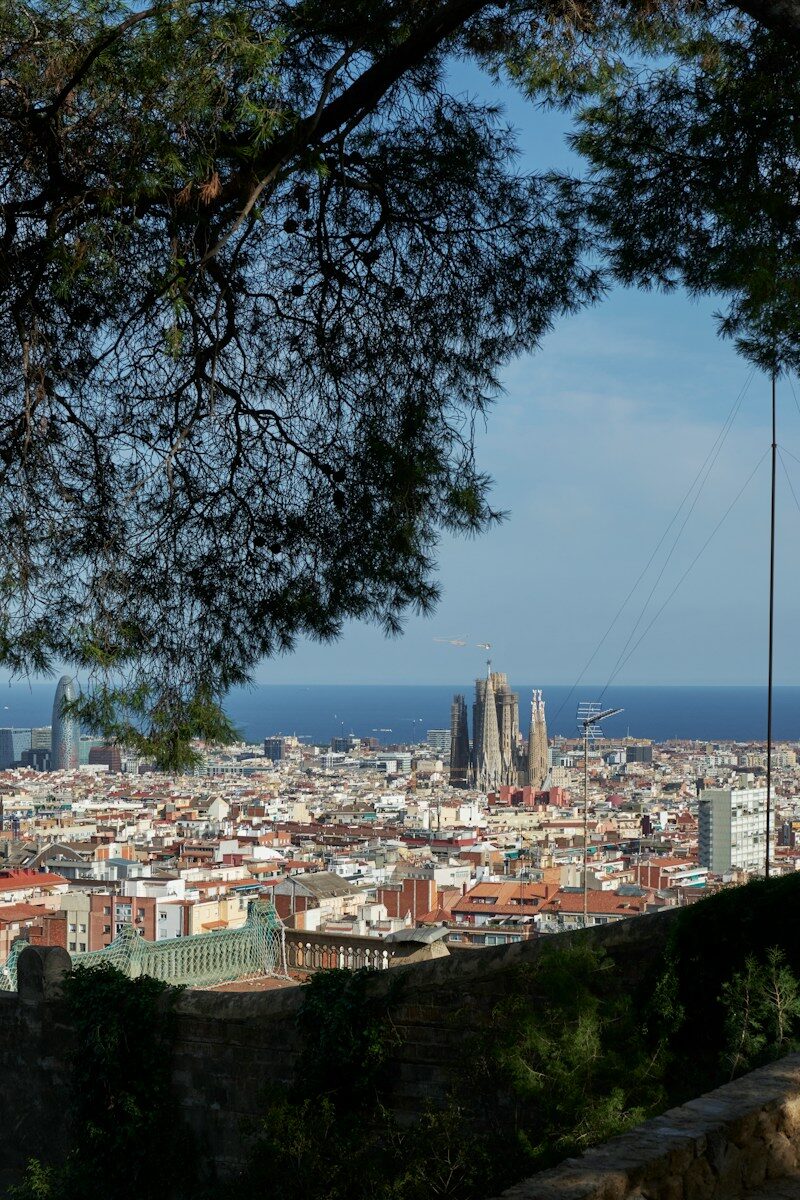
Barcelona City Guide and the Places That Make It Unforgettable
Barcelona is a city where extraordinary architecture, lively neighborhood squares, Mediterranean beaches and long meals come together in a way that feels distinctly its own. You can spend the morning admiring Antoni Gaudí’s imaginative buildings, wander through medieval streets in the afternoon and finish the day beside the sea.
This Barcelona city guide brings together the landmarks worth seeing, the neighborhoods worth exploring, local food experiences and practical advice for planning your visit. Whether you are visiting for a weekend or staying longer, the best way to experience Barcelona is to combine its famous sights with time to discover the streets and places in between.
Planning a first visit? Prioritize the Sagrada Família, Park Güell, the Gothic Quarter and at least one neighborhood beyond the main tourist routes. Book major attractions in advance, leave room for leisurely meals and avoid trying to fit every part of the city into a single day.
Why Barcelona Is Worth Visiting
Barcelona offers a combination that is difficult to find elsewhere. Its architectural identity is instantly recognizable, but the city is more than its famous monuments. Traditional markets, independent shops, neighborhood cafés, leafy squares and a long Mediterranean waterfront give visitors plenty of ways to experience daily life as well as the major attractions.
The city also suits different travel styles. Architecture lovers can follow the work of Gaudí and other Modernisme designers, food enthusiasts can explore Catalan dishes and market stalls, and outdoor travelers can combine urban sightseeing with beach walks and viewpoints. The key is to choose experiences that fit your interests rather than treating every attraction as essential.
The Best Places to Visit in Barcelona
1. Sagrada Família
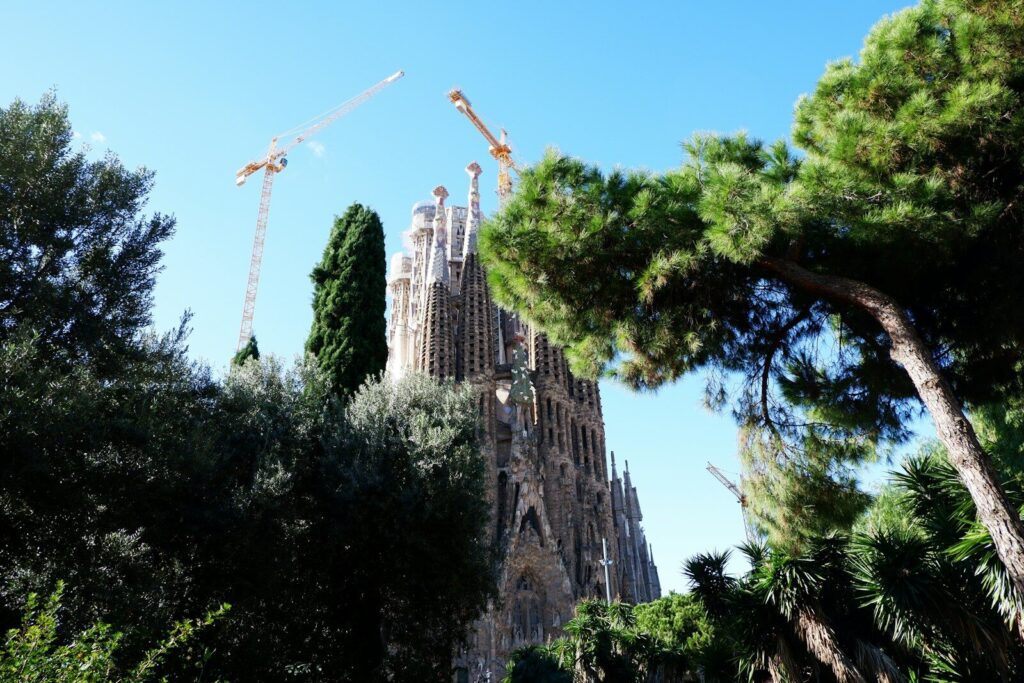
The Sagrada Família is Barcelona’s defining landmark and one of the most remarkable works of Antoni Gaudí. Its elaborate façades, sculptural details and extraordinary interior make it worth experiencing beyond a quick photograph from outside.
Inside, colored light filters through the stained-glass windows, changing the atmosphere throughout the day. Look up at the branching columns and intricate ceiling before moving between the different areas of the basilica. Even visitors who are not particularly interested in religious architecture can appreciate the creativity and engineering behind the design.
Reserve your visit through the official Sagrada Família ticket website. Choose a suitable time slot and check the current visitor rules before arriving. The surrounding Eixample streets are also worth exploring, so allow some extra time after your visit rather than heading immediately to the next attraction.
2. Park Güell
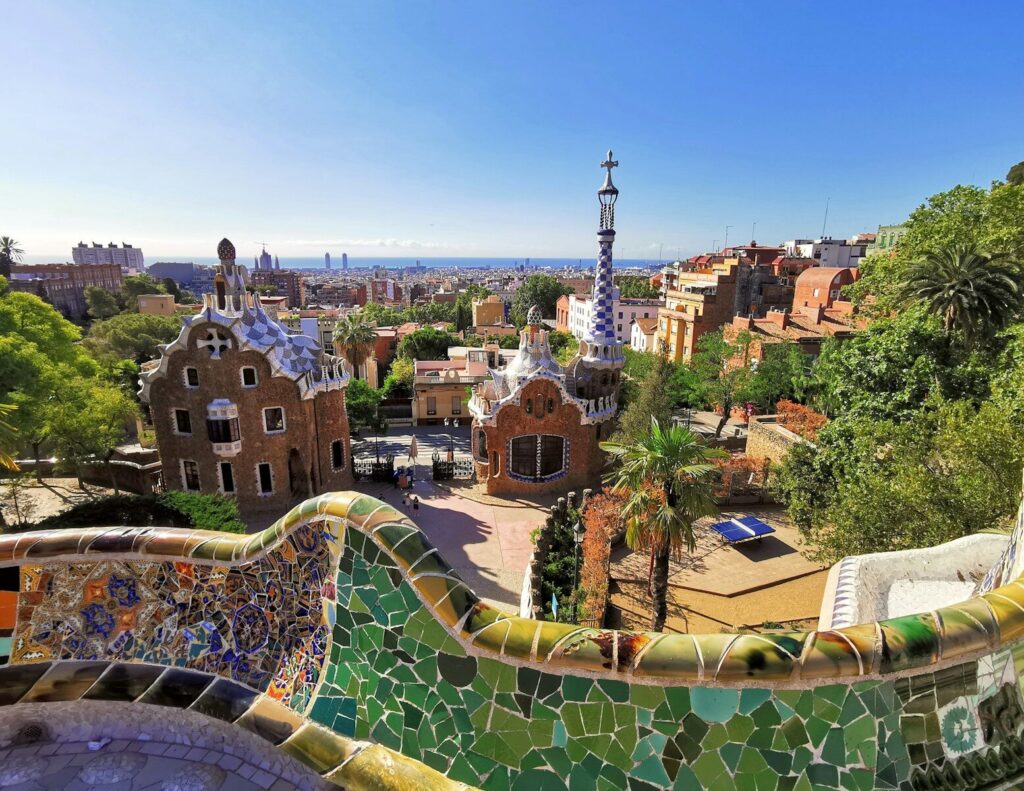
Park Güell is another of Gaudí’s best-known creations, combining colorful architectural details, curved forms, landscaped paths and elevated views across Barcelona. The famous mosaic terrace is particularly memorable, but the surrounding paths and unusual structures are just as rewarding to explore.
The park is located uphill, so plan for some walking and allow extra time if you are arriving on foot. Wear comfortable shoes, bring water during warmer months and check the weather before your visit. The views can be especially beautiful when the city is clear and the light is soft.
Check Park Güell’s official visitor website for current admission arrangements and access information. Do not assume that every area has the same entry conditions, and book ahead if your preferred date requires advance reservations.
3. The Gothic Quarter
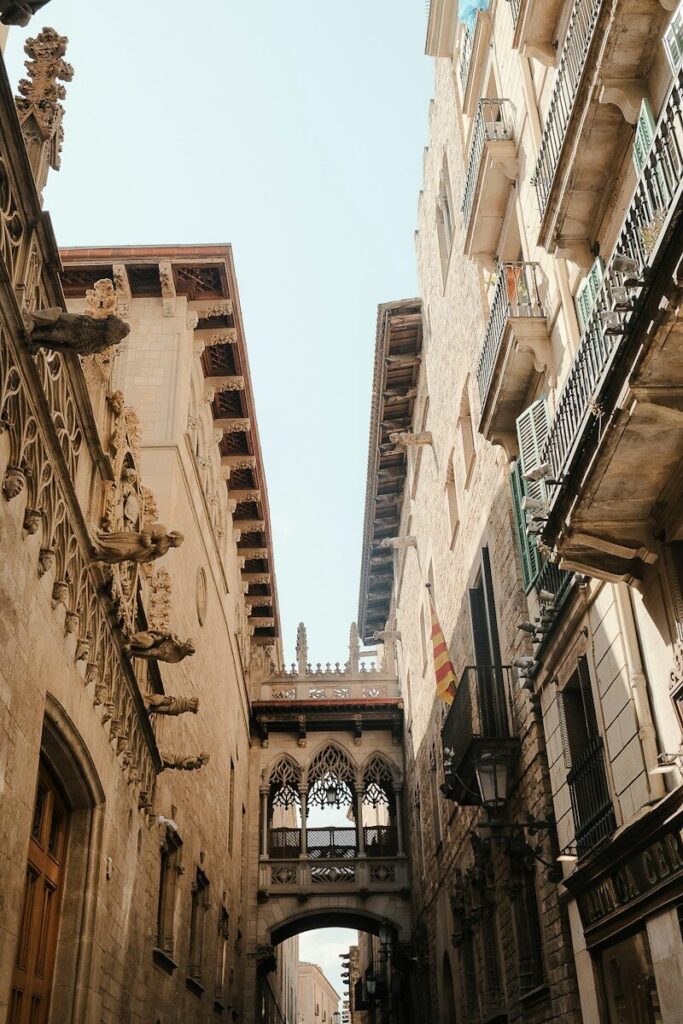
The Gothic Quarter, known locally as Barri Gòtic, is one of the best places to slow down and explore on foot. Narrow lanes open onto small squares, historic buildings stand beside independent shops, and unexpected architectural details appear around almost every corner.
Begin around Barcelona Cathedral, then wander through the surrounding streets without planning every turn. Plaça del Rei is a worthwhile stop for its historic atmosphere, while smaller lanes away from the busiest pedestrian routes can offer a quieter experience.
This is a neighborhood to enjoy gradually rather than rush through. Stop for coffee, browse a small shop or sit in a square for a few minutes. Keep your belongings secure in crowded areas, particularly around major attractions and busy pedestrian streets.
4. Casa Batlló and Passeig de Gràcia
For a different perspective on Gaudí’s work, head to Passeig de Gràcia. This elegant avenue is known for its architecture, shopping and impressive city façades. Casa Batlló stands out for its organic shapes, colorful surfaces and imaginative details that make the building feel almost alive.
Nearby, Casa Milà, also known as La Pedrera, offers another distinctive example of Modernisme architecture. You can admire the exteriors while walking along the avenue or choose one interior visit if you want to understand the designs in greater depth.
Allow time to look beyond the best-known buildings. The wider Eixample district has elegant blocks, attractive cafés and architectural details that make even an ordinary walk feel interesting.
5. El Born
El Born is a rewarding neighborhood for travelers who enjoy independent boutiques, small galleries, historic streets and places to eat. It has a different rhythm from the grand avenues of Eixample, with compact streets and lively squares that invite a slower pace.
Visit Santa Maria del Mar if you appreciate historic architecture, then explore the surrounding lanes. Depending on your interests, you could also visit the Picasso Museum, checking its current opening hours and ticket arrangements before your trip.
El Born works particularly well in the late afternoon, when you can combine a relaxed walk with dinner or a drink. Rather than choosing a restaurant solely because it appears on a popular list, look at the menu, compare prices and select somewhere that suits your plans.
6. Barceloneta and the Mediterranean Waterfront
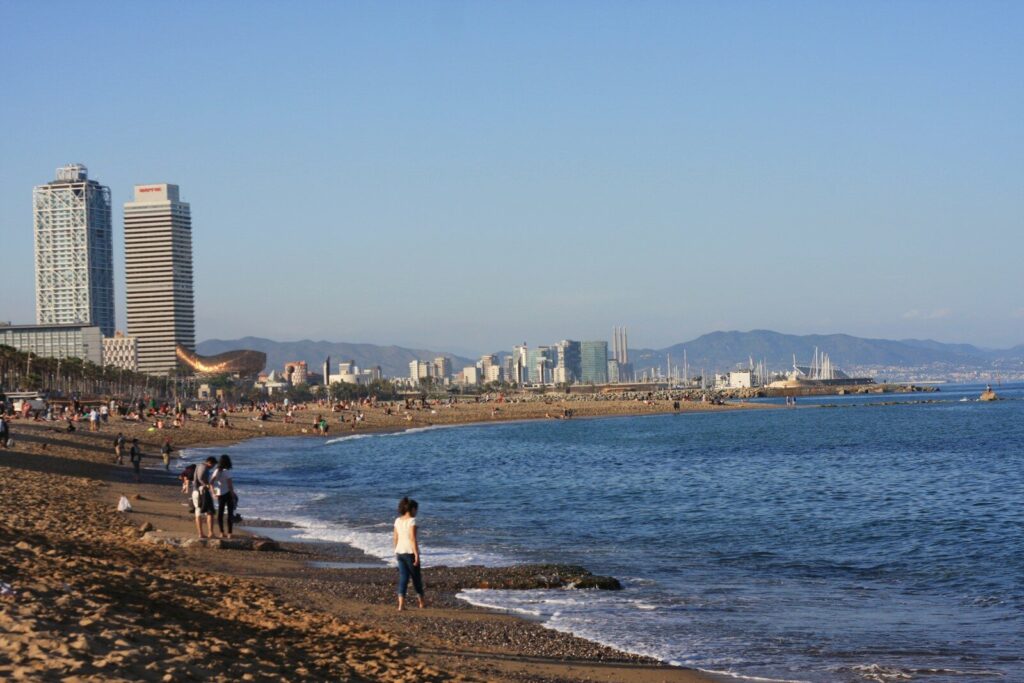
Barcelona’s relationship with the sea is an important part of its character. Barceloneta offers a sandy beach, a waterfront promenade and a former fishing-village atmosphere that contrasts with the historic city center.
Walk along the promenade, enjoy the sea views or sit at a terrace for a meal. In warm weather, you might spend longer on the beach, while cooler days are better suited to a coastal walk. Remember that beach conditions, facilities and swimming suitability vary by season.
Barceloneta can become crowded during summer and on sunny weekends. If you prefer a quieter visit, arrive earlier in the day or explore the waterfront beyond the busiest central stretch.
7. Montjuïc for Gardens and City Views
Montjuïc offers a different side of Barcelona, with green spaces, museums, gardens and viewpoints overlooking the city and harbor. It is a good choice when you want a break from the busiest central streets.
Choose a few places that interest you rather than attempting to cover the entire hill in one visit. Depending on your plans, you could combine a museum with a garden walk or simply enjoy the views. Check the opening times of individual attractions before setting out, as they do not all follow the same schedule.
Montjuïc is also a useful reminder that Barcelona is not only a collection of architectural landmarks. Its parks and elevated outdoor spaces offer room to pause, take photographs and appreciate the city’s wider setting.
The Best Neighborhoods to Explore in Barcelona
Choosing a neighborhood can shape the way your Barcelona trip feels. Some areas are ideal for first-time sightseeing, while others are better suited to cafés, shopping or a quieter residential atmosphere.
Eixample for Architecture and Convenient City Exploring
Eixample is known for its broad avenues, grid-pattern streets and concentration of Modernisme architecture. It is a practical area to explore if you want to visit Sagrada Família, Passeig de Gràcia and nearby restaurants without constantly crossing the city.
Gràcia for a More Local Atmosphere
Gràcia has a village-like character, with small plazas, independent businesses and cafés where people gather throughout the day. It is a lovely area for an unhurried walk and a good contrast to the busiest tourist corridors.
El Raval for Contemporary Culture
El Raval has a diverse cultural identity, contemporary art spaces and a varied food scene. The atmosphere can change noticeably from one street to another, so explore thoughtfully and choose the parts that suit your interests and comfort level.
The Gothic Quarter for Historic Streets
Stay or spend time here if you want to be close to historic landmarks, pedestrian lanes and central sightseeing. The trade-off is that the most popular streets can become crowded, especially during the busiest hours.
What to Eat in Barcelona
Food is an essential part of experiencing Barcelona, and the city offers plenty of opportunities to sample Catalan cooking as well as dishes found throughout Spain. Look beyond restaurants directly beside the main attractions and give yourself time to enjoy a meal without rushing.
- Pa amb tomàquet: Bread rubbed with ripe tomato and typically finished with olive oil and salt. It is a simple Catalan staple often served alongside other dishes.
- Bombas: Potato-based bites commonly associated with Barcelona, often served with sauces.
- Crema catalana: A traditional Catalan dessert with a creamy custard and caramelized sugar topping.
- Seafood dishes: Look for seasonal seafood and rice dishes, especially around the waterfront.
- Market produce: Markets can be a great place to discover seasonal ingredients, although the busiest markets also attract large numbers of visitors.
For a better food experience, compare menus and prices before sitting down, especially around major tourist landmarks. A small neighborhood restaurant or bakery can be just as memorable as a famous address.
How to Get Around Barcelona
Barcelona is straightforward to explore when you combine walking with public transport. Many central neighborhoods are best experienced on foot, while the Metro helps connect areas that would take longer to reach by walking alone.
- Walk within neighborhoods: Explore the Gothic Quarter, El Born and central Eixample at a relaxed pace.
- Use the Metro for longer journeys: It can be useful for connecting major attractions and reaching areas farther from the center.
- Compare transport tickets: The best option depends on how often you travel and how long you stay. Check the official Hola Barcelona Travel Card information alongside current individual ticket options before buying.
- Plan for hills: Park Güell and Montjuïc involve uphill walking, so allow extra time and consider public transport for part of the journey.
- Keep your belongings secure: Take care on crowded transport, at busy attractions and in popular pedestrian areas.
When Is the Best Time to Visit Barcelona?
Barcelona can be enjoyable throughout the year, but each season offers a different experience. Spring and autumn are often appealing for visitors who want to spend plenty of time walking around the city without relying entirely on beach weather.
Spring: A good time for outdoor sightseeing, gardens and long neighborhood walks. Pack layers because temperatures can vary between mornings and afternoons.
Summer: Ideal for travelers who want beach time and long evenings, but expect stronger heat and busy attractions. Start outdoor activities early, carry water and plan breaks during the hottest part of the day.
Autumn: A rewarding season for architecture, food and city exploring. Conditions vary, so check the forecast and keep a flexible plan for outdoor activities.
Winter: A quieter alternative for many outdoor attractions, although daylight hours are shorter and some beach experiences are less appealing. It can be a good time to focus on museums, cafés and the city’s architectural details.
How Many Days Do You Need in Barcelona?
Three days is a useful starting point for a first visit. You can dedicate one day to Gaudí’s architecture, another to the historic center and its neighborhoods, and a third to the waterfront, Montjuïc or places you want to explore more deeply.
With two days, focus on the Sagrada Família, one other major attraction, the Gothic Quarter and a few carefully chosen neighborhoods. With four or five days, you can slow down, spend more time at the beach, visit additional museums or consider a day trip outside the city.
Practical Tips Before You Visit
- Reserve timed-entry attractions early when possible, especially if you have fixed travel dates.
- Check official opening hours and ticket conditions shortly before your visit.
- Wear comfortable shoes for uneven streets, long walks and uphill routes.
- Keep a flexible plan in case of rain, heat or unexpected closures.
- Be mindful of local residents when photographing residential streets and apartment buildings.
- Learn a few basic Catalan or Spanish greetings; a little effort can make everyday interactions warmer.
- Leave room for unplanned café stops, neighborhood discoveries and a slower meal.
Is Barcelona Worth Visiting?
Barcelona is worth visiting if you want a city break that combines architecture, culture, food, walkable neighborhoods and the Mediterranean coast. Its best-known attractions are impressive, but the experience becomes richer when you also make time for the quieter streets, local squares and everyday places that give each neighborhood its character.
Plan around a few priorities, book the experiences that matter most to you and leave some space for the unexpected. That balance is what makes a city guide useful: not simply telling you where to go, but helping you enjoy the journey between each stop.
If you are planning more European city breaks, explore our Paris three-day itinerary for another walkable city escape, or revisit our Christmas in London guide for seasonal travel inspiration. Check that each destination guide is published at the linked URL before making the links live.