Paris in 3 Days and the Itinerary That Makes Every Day Count
Three days in Paris is enough to experience the city’s most famous landmarks, wander through atmospheric neighborhoods, enjoy a long café lunch and see the Eiffel Tower sparkle after dark. The secret is not trying to visit everything. It is planning each day around nearby sights so you spend more time discovering Paris and less time crossing the city.
This Paris 3-day itinerary balances iconic attractions with quieter streets, beautiful viewpoints and time to enjoy the city at your own pace. Follow it as written or switch activities around to suit your interests, travel dates and museum opening days.
At a glance: Spend day one around the Eiffel Tower and the Seine, day two exploring the Louvre and historic central Paris, and day three discovering Montmartre and the city’s village-like neighborhoods. Book timed-entry attractions in advance and leave some room for spontaneous stops.
Day 1 in Paris and the Eiffel Tower, Seine and Classic Views
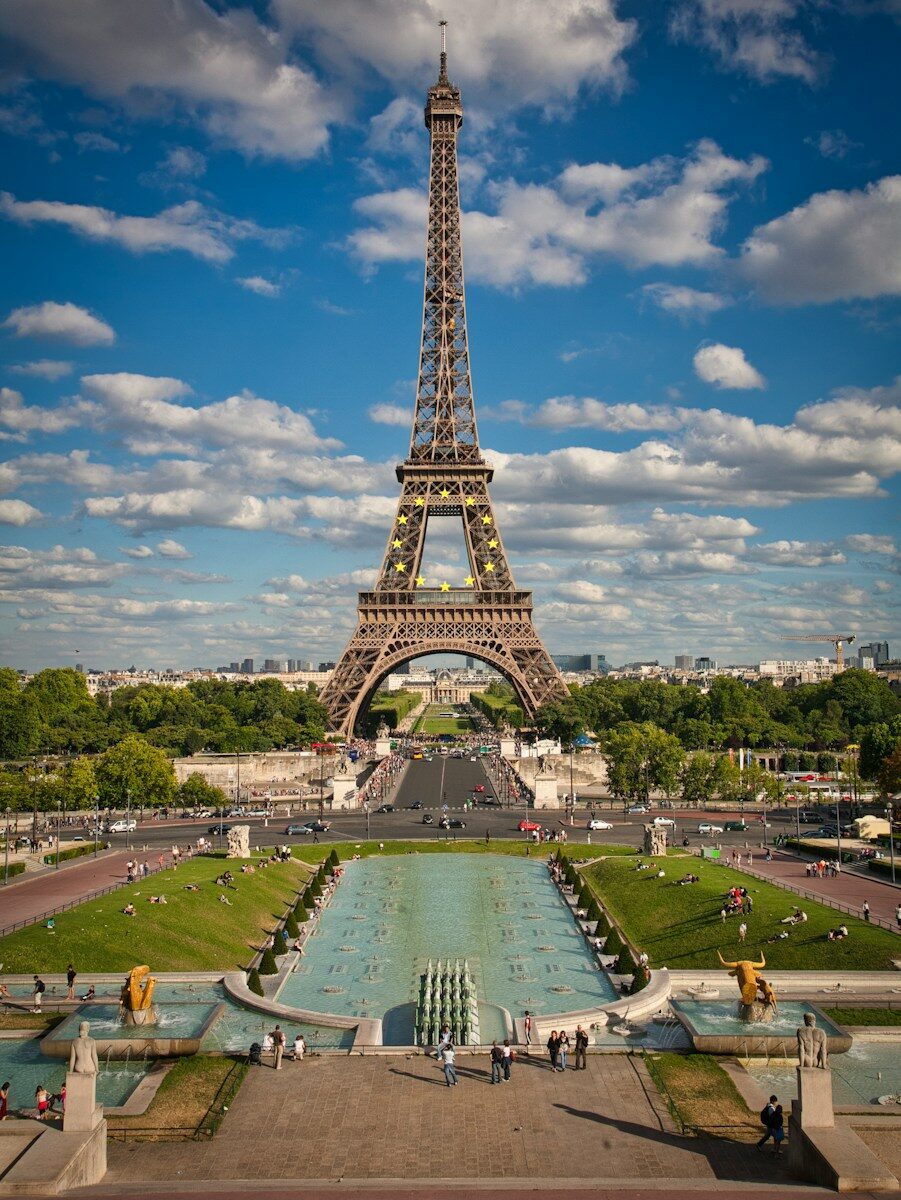
Start your first day with the Paris you probably imagined before arriving: grand avenues, elegant bridges, riverside walks and the unmistakable silhouette of the Eiffel Tower. This route keeps the main sights close enough to enjoy on foot, with public transport available when you need a break.
Morning at Trocadéro and the Eiffel Tower
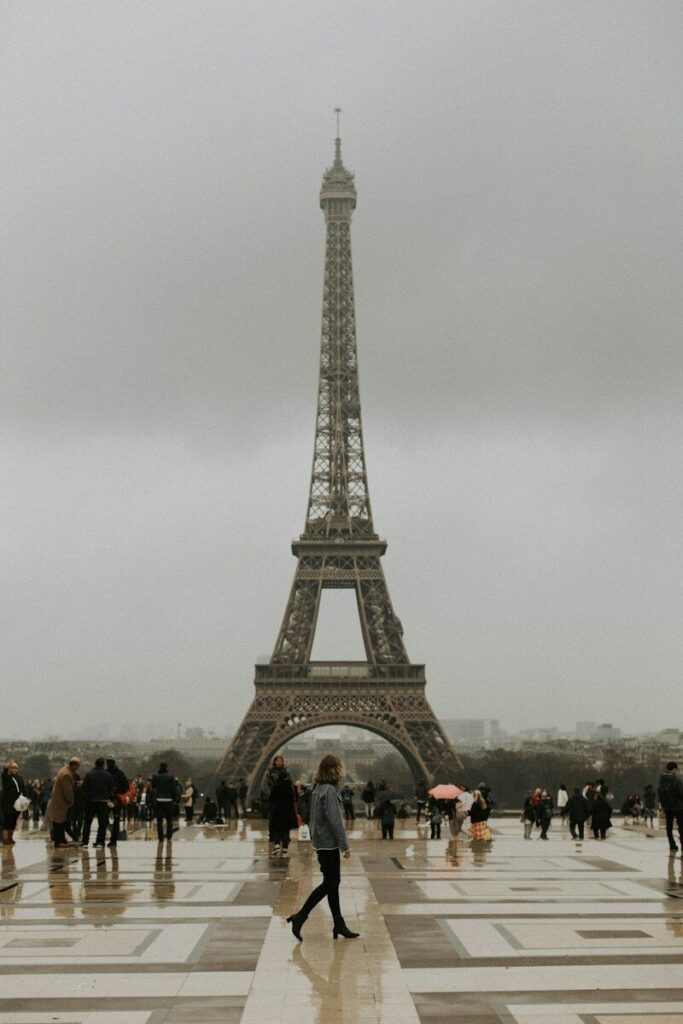
Begin at Trocadéro, where the open terraces provide one of the most recognizable views of the Eiffel Tower. Arrive early if you want photographs with fewer people, then walk toward the tower through the gardens and across the Seine.
If going up the Eiffel Tower is a priority, reserve a time slot through the official Eiffel Tower ticket office. Ticket availability and prices depend on the date and type of access, so check the official information before planning the rest of your morning. Allow time for security checks and queues.
If you would rather keep the morning relaxed, enjoy the views from the ground, walk around the Champ de Mars and stop for coffee nearby. You do not need to climb the tower to appreciate its place in the Paris skyline.
Lunch in a Parisian Café
Take a break at a neighborhood café instead of rushing straight to another attraction. Look for a simple lunch menu, a bakery sandwich or a croque monsieur with a drink. In Paris, the pause between sights is part of the experience, not wasted itinerary time.
Afternoon Along the Seine
Spend the afternoon walking along the Seine and crossing one of the city’s historic bridges. The riverbanks offer changing views of monuments, houseboats and Parisian architecture. Continue toward the area around Pont Alexandre III if you enjoy ornate bridges and grand city views.
For a different perspective, consider a Seine sightseeing cruise. It can be a welcome break after a morning of walking, especially on a first visit. Compare departure points and schedules before booking, since operators do not all leave from the same location.
Evening Around the Eiffel Tower
Return to the Eiffel Tower area after sunset to see the city lights. The tower sparkles for five minutes at the beginning of each hour after nightfall, while it is illuminated. Check the current schedule and seasonal sunset time for your travel dates.
Choose a nearby restaurant for dinner or head back toward your accommodation if you are tired. Your first day should feel memorable, not like a race to tick off every landmark.
Day 2 in Paris and the Louvre, Île de la Cité and Le Marais
Day two is about art, history and the streets that make central Paris so rewarding to explore. Start with one major museum, then spend the rest of the day walking through historic neighborhoods rather than adding another packed indoor attraction.
Morning at the Louvre Museum
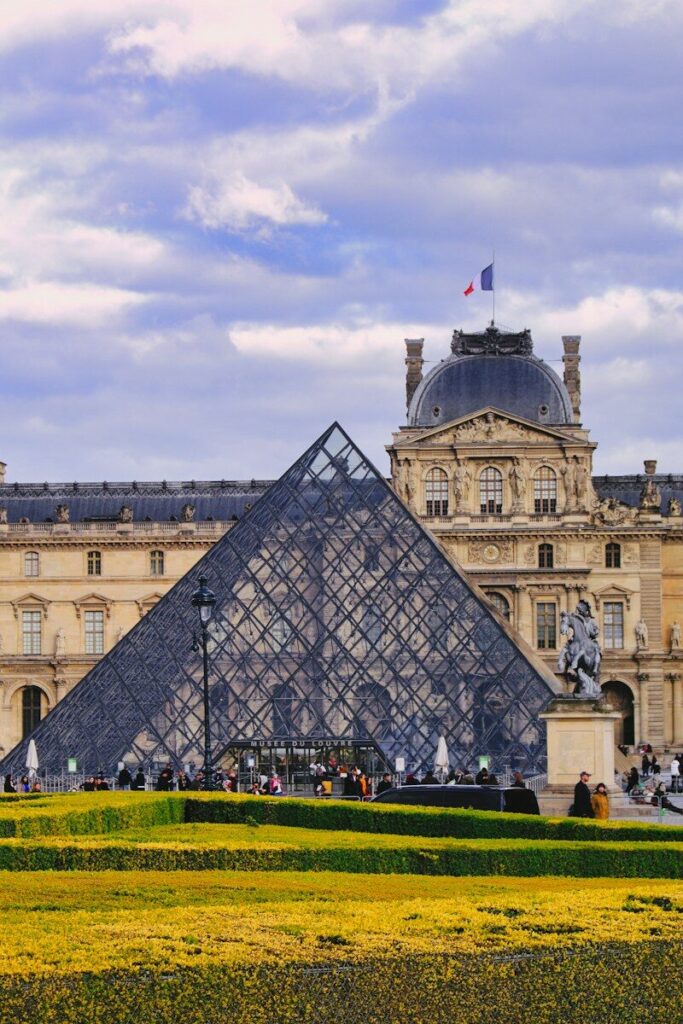
The Louvre is enormous, so decide what matters most before entering. You might want to see the Mona Lisa, explore the Egyptian antiquities, admire French paintings or focus on the palace’s architecture. Trying to cover the entire collection in one morning is unrealistic for most visitors.
Check the Louvre’s official opening hours and ticket information before your trip. The museum is normally closed on Tuesdays, and opening arrangements can change around public holidays or special events. Reserve ahead when required or recommended for your visit date.
After the museum, walk through the Tuileries Garden if the weather is pleasant. Its paths, sculptures and formal landscaping offer a quieter contrast to the galleries and a natural route toward Place de la Concorde.
Lunch and a Walk Through Historic Paris
Head toward Île de la Cité, the island at the heart of historic Paris. Stop for lunch along the way and leave time to appreciate the surrounding streets rather than treating the neighborhood as a quick photo stop.
Visit the exterior of Notre-Dame Cathedral and explore the surrounding riverbanks. If you want to enter the cathedral or visit another nearby monument, check its official visitor information in advance, especially during busy travel periods.
Afternoon in Le Marais
Continue to Le Marais, one of the most enjoyable districts for an unhurried afternoon. Historic buildings sit alongside independent boutiques, galleries, bakeries and small cafés. Wander through the side streets and let yourself explore without setting a strict destination for every few minutes.
Place des Vosges is a lovely place to pause, with its symmetrical façades and garden square. Depending on your interests, you can browse the shops, stop for something sweet or simply enjoy the atmosphere of the neighborhood.
Evening in Saint-Germain-des-Prés
Finish the day around Saint-Germain-des-Prés. The area is known for its literary associations, cafés and elegant streets. Choose a bistro for dinner, then take a short walk before returning to your hotel.
If you prefer a quieter evening, skip the extra neighborhood and stay near Le Marais. A good itinerary should adapt to your energy rather than make every stop compulsory.
Day 3 in Paris and Montmartre, Local Streets and a Final View
For your final day, head uphill to Montmartre before exploring another neighborhood or choosing a relaxed activity. This part of the itinerary is less about major museums and more about atmosphere, street scenes and seeing a different side of the city.
Morning in Montmartre
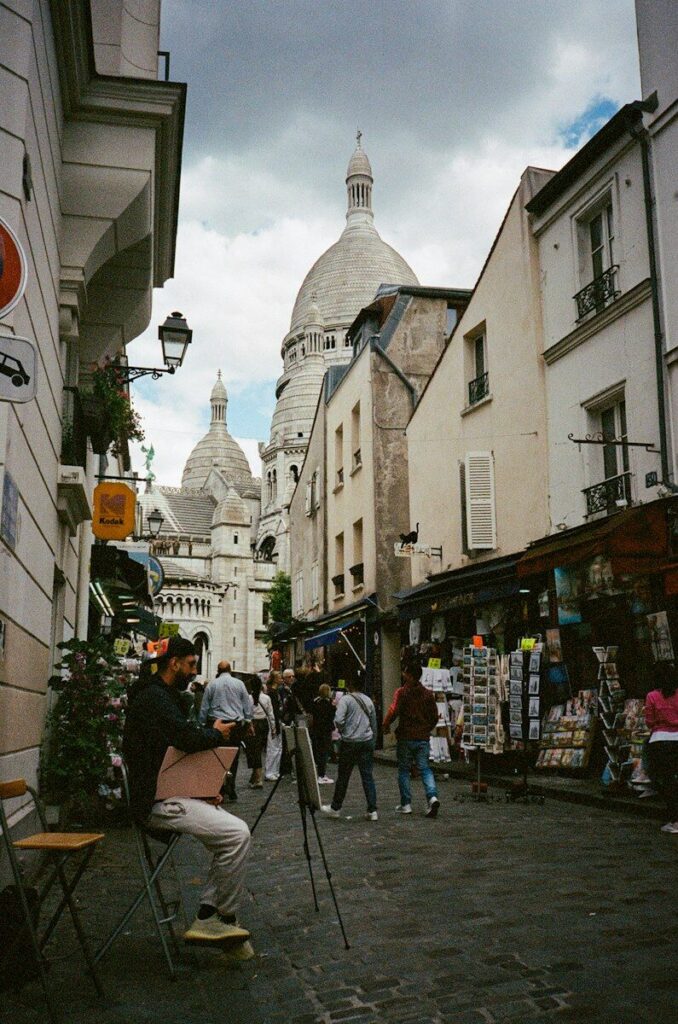
Arrive in Montmartre in the morning, when its narrow streets are often more pleasant to explore. Walk through the neighborhood toward the Sacré-Cœur Basilica, where the steps and surrounding viewpoints offer broad views over Paris.
Give yourself time to explore the side streets, small shops and café terraces. Place du Tertre is famous for its artists, while the nearby lanes reveal quieter corners once you move away from the busiest routes.
Montmartre is hilly, and some streets have cobblestones or stairs. Wear comfortable shoes and use the metro or local transport if the climb is difficult. Keep an eye on your belongings in crowded areas, as you would at any major tourist attraction.
Lunch and a Neighborhood Café
Stay in Montmartre for lunch or head toward a different neighborhood for a change of scenery. Choose a place where you can sit comfortably rather than spending too much of your limited time searching for a famous restaurant. Bakeries, casual cafés and small bistros can all make excellent stops.
Afternoon at Your Own Pace
Use the afternoon for the part of Paris you have not yet experienced. You could browse shops, visit a smaller museum, revisit a favorite riverbank or take a longer café break. If you enjoy architecture and shopping, explore the grand department stores around Boulevard Haussmann. If you prefer a quieter atmosphere, choose a park or a residential street away from the main tourist routes.
Another option is to keep the afternoon flexible for weather. A rainy day may be better suited to a museum or covered shopping arcade, while clear skies are ideal for a long walk and outdoor photographs.
Your Last Paris Evening
For your final evening, return to a view you loved most or plan a simple dinner close to where you are staying. You could take one last walk along the Seine, enjoy a relaxed meal or find a viewpoint for sunset. There is no need to add another major attraction just because it is your last night.
How to Get Around Paris in Three Days
The Paris Metro is usually the most practical way to cover longer distances, while walking is ideal for exploring neighborhoods once you arrive. Grouping nearby attractions together is the easiest way to avoid unnecessary travel time.
- Walk for short distances: Central Paris is rewarding on foot, and many memorable details are found between the main sights.
- Use the Metro for longer journeys: Check routes and service updates before leaving, especially if you have a timed museum or monument reservation.
- Plan around opening days: Confirm museum schedules before assigning each attraction to a particular day.
- Keep your ticket details handy: Follow the current ticketing rules and fares published by the official transport operator.
- Allow extra time: Security checks, queues, weather and unexpected closures can change your schedule.
Where to Stay for a Three-Day Paris Trip
For a short visit, choose accommodation with convenient Metro access rather than paying more simply to be beside one famous landmark. The best area depends on your budget, preferred atmosphere and the time you expect to spend out exploring.
- Le Marais: A good choice for travelers who enjoy historic streets, independent shops, cafés and an active evening atmosphere.
- Saint-Germain-des-Prés: Suits visitors who want elegant streets, classic cafés and easy access to central sights.
- Latin Quarter: Offers a lively, walkable base with bookshops, restaurants and historic landmarks nearby.
- Near the Eiffel Tower: Useful if the tower is a priority, although the best value depends on the exact location and travel dates.
- Near a convenient Metro connection: Often a sensible choice for budget-conscious visitors who want to reach different parts of Paris easily.
Practical Tips for Planning Your Paris Itinerary
- Book major attractions early: Check official websites for timed-entry requirements, availability and current prices.
- Do not overfill each day: Two or three main experiences, plus neighborhood walks and meals, are often more enjoyable than a long checklist.
- Check weekly closing days: Museum schedules can affect the best order for your itinerary.
- Wear comfortable shoes: You will likely walk more than you expect, including on uneven streets and stairs.
- Keep a weather alternative: Have an indoor option ready for rain or unusually hot weather.
- Stay aware in busy places: Keep valuables secure on public transport and around major attractions.
- Verify transport information: Use official transport channels for current fares, passes and service changes.
Is Three Days Enough to Visit Paris?
Three days is enough for a rewarding first visit to Paris if you focus on a few key sights and allow time to enjoy the neighborhoods between them. You can see the Eiffel Tower, explore the Louvre, walk through historic central Paris and experience Montmartre without spending the entire trip rushing from one attraction to another.
If you want to visit several major museums, take a day trip to Versailles or explore Paris in greater depth, consider staying longer. For a short city break, however, this three-day plan offers a balanced introduction to the French capital.
Planning another seasonal city escape? You can also explore our Christmas in London guide for festive streets, markets and winter experiences in another iconic European capital.
Save this itinerary before your trip and adjust the order of the days to match your reservations, opening hours and travel style. The best Paris itinerary leaves enough structure to see the highlights and enough freedom to enjoy the unexpected moments along the way.