Barcelona Itinerary for a Memorable First Trip
A good Barcelona itinerary should leave you with more than a collection of photographs. You want to see the architecture that makes the city distinctive, discover a few neighbourhoods on foot, eat well and still have enough time to enjoy an unplanned coffee or a quiet square.
For a first visit, three days is a useful starting point. The trick is to group places by location, reserve timed-entry attractions before travelling and avoid filling every hour with another ticket.
This itinerary follows three manageable routes: Gaudí’s architecture in Eixample, Park Güell and Gràcia, then the historic centre and waterfront. You can swap the order to suit your arrival time, the weather or the days when attractions are open.
Before You Follow This Barcelona Itinerary
Barcelona is easy to explore when you treat it as a collection of connected neighbourhoods. The old town is best discovered on foot, while Park Güell, Montjuïc and some of the major architectural sites need a little more planning.
Book the attractions that matter most
If the Sagrada Família is a priority, choose your entry time before arranging the rest of that day. The basilica sells tickets online, and availability can vary with the date and time you want to visit.
Park Güell also uses timed entry for its monumental area. Buy through the official website, check the current visiting hours and allow time to reach the entrance. Do not assume you can arrive whenever you like and enter immediately.
- Sagrada Família — official tickets and visitor information
- Park Güell — official tickets and opening hours
- Casa Batlló — official visitor information
- La Pedrera — official visitor information
Where should you stay?
Eixample is a practical base for first-time visitors who want access to modernist architecture, restaurants and several metro lines. The Gothic Quarter and El Born put you close to historic streets, while Poblenou can suit travellers who prefer a more residential atmosphere near the coast.
Choose accommodation according to your actual plans rather than the number of attractions listed in its description. A hotel near a convenient metro station may save more time than one that looks central on a map but leaves you with awkward journeys.
Day 1 — Sagrada Família, Sant Pau and Eixample
Begin with Barcelona’s modernist architecture. These stops fit together naturally, so you can spend the day exploring one part of the city instead of repeatedly crossing it.
9:00 am — Visit the Sagrada Família
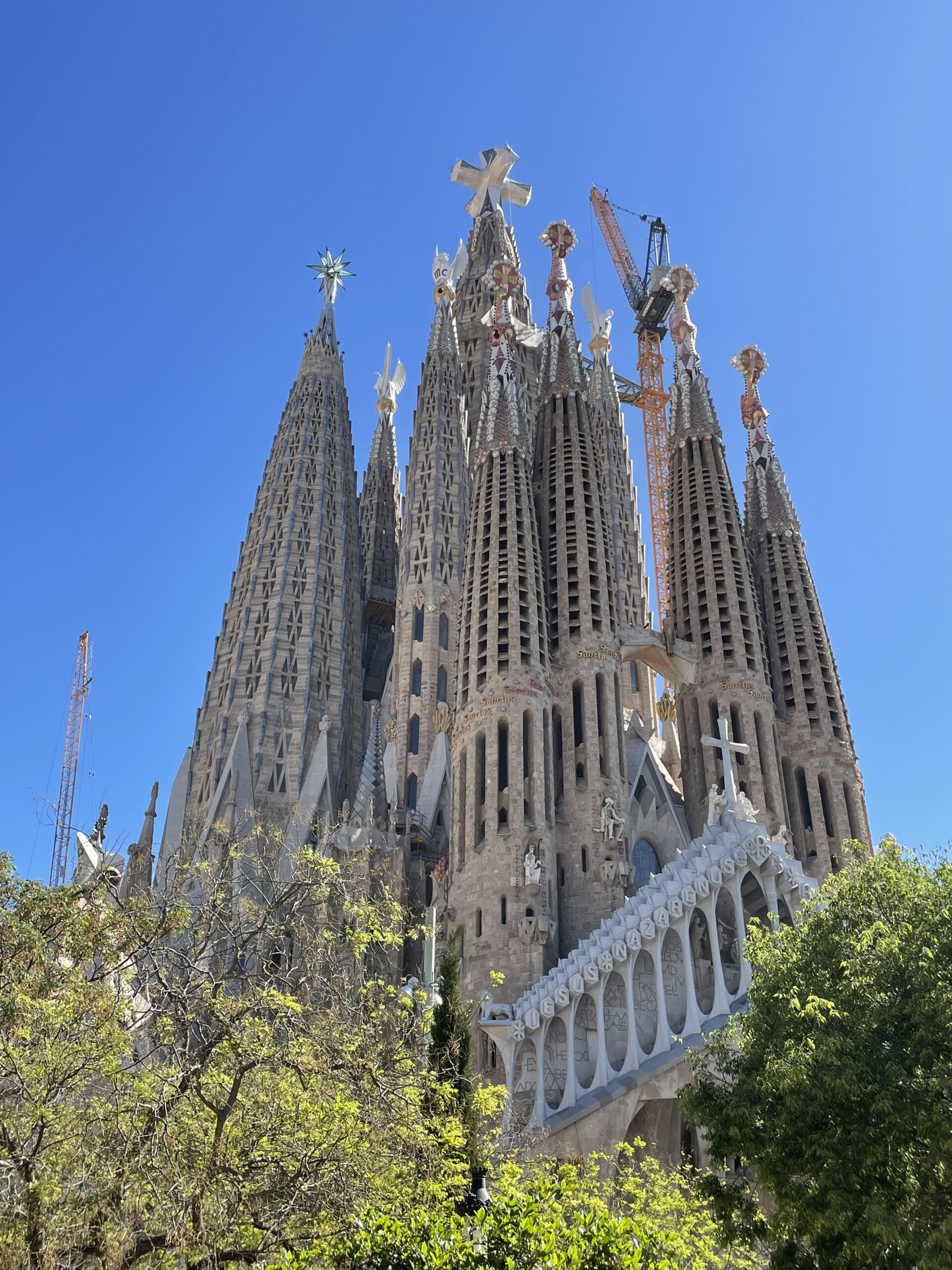
Start with the Sagrada Família, Antoni Gaudí’s unfinished basilica and one of Barcelona’s defining landmarks. Its façades are filled with sculptural detail, while the interior is known for its branching columns and coloured light.
Allow around 1.5 to 2 hours for a first visit. You may want longer if architecture interests you, but there is no need to add a tower visit unless it is something you genuinely want to experience.
Opening hours change seasonally. From November through February, the official schedule generally lists Monday to Saturday from 9 am to 6 pm and Sundays from 10:30 am to 6 pm. Check the schedule for your exact date, especially around religious holidays or special events.
Use the official opening-hours and transport page before choosing your time slot.
11:15 am — Walk towards Sant Pau
From the Sagrada Família, follow Avinguda de Gaudí towards the Recinte Modernista de Sant Pau. This pleasant walk connects two major architectural landmarks and gives you a break between visits.
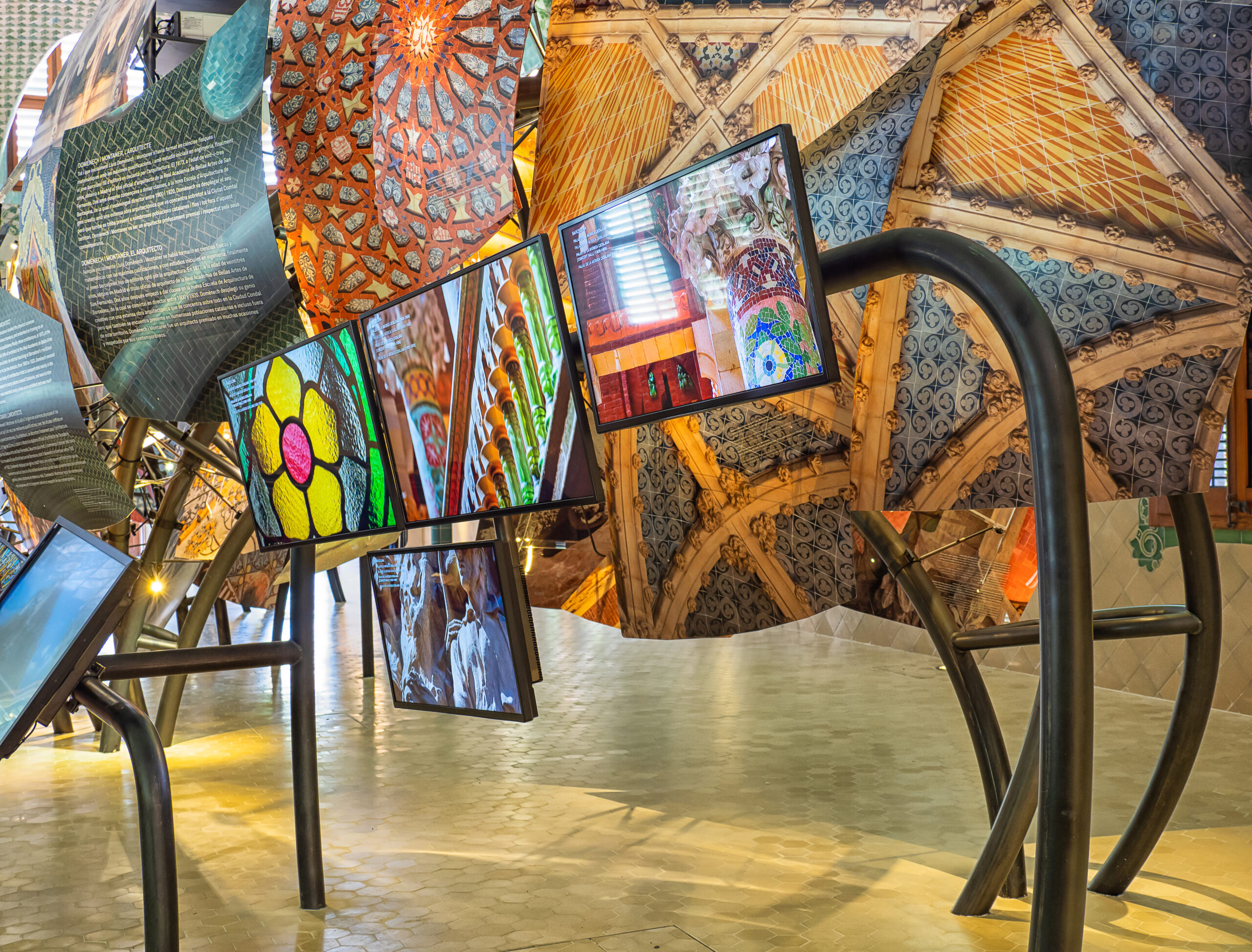
Sant Pau was designed by Lluís Domènech i Montaner as a hospital complex. Its pavilions, gardens and decorative details show a different side of Catalan Modernisme from Gaudí’s work.
If you want to tour the interior, check the official ticket information and allow extra time. Otherwise, you can admire the architecture from outside and continue towards lunch.
Check current visits and admission options on the official Sant Pau website.
1:00 pm — Lunch in Eixample
Stay in the area for lunch rather than travelling elsewhere just to reach a famous restaurant. Look for a local menu, a casual tapas bar or a small restaurant on a side street away from the busiest tourist routes.
Barcelona’s lunch hours may be later than you expect, and some kitchens close between services. If you want to eat early, check opening hours before setting off.
2:30 pm — Passeig de Gràcia and Casa Batlló
Spend the afternoon on Passeig de Gràcia, one of the city’s best streets for architecture and shopping. Casa Batlló stands out for its colourful façade and unusual shapes, while nearby La Pedrera is known for its sculpted stone exterior and distinctive rooftop.
You can appreciate both buildings from the street without buying two tickets. If you want to go inside one, choose according to your interests and budget, then reserve enough time for the visit rather than squeezing in both.
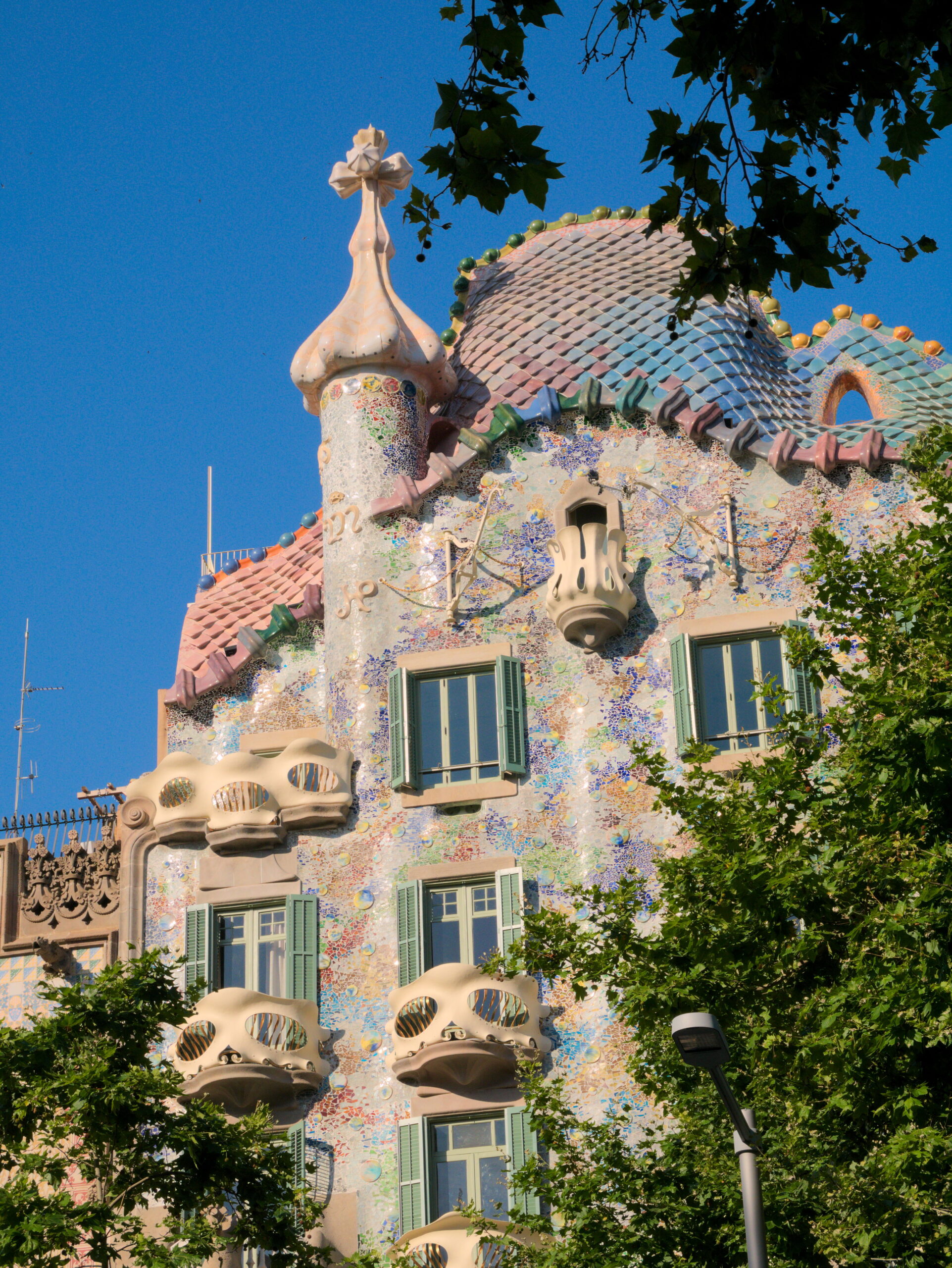
Visit the official Casa Batlló website or La Pedrera website for ticket options and current opening hours.
Evening — Keep dinner nearby
Stay in Eixample for dinner and keep the evening relaxed. If you still have energy, walk along Passeig de Gràcia after dark to see the buildings and shopfronts under evening lighting.
There is no need to add another major attraction. The first day already includes a timed-entry visit, a second architectural site and a long stretch of walking.
Day 2 — Park Güell, Gràcia and the Old City
The second day starts with Park Güell, then moves back towards the central neighbourhoods. This order gives you time for the park before spending the afternoon among smaller streets, squares and cafés.
9:30 am — Explore Park Güell
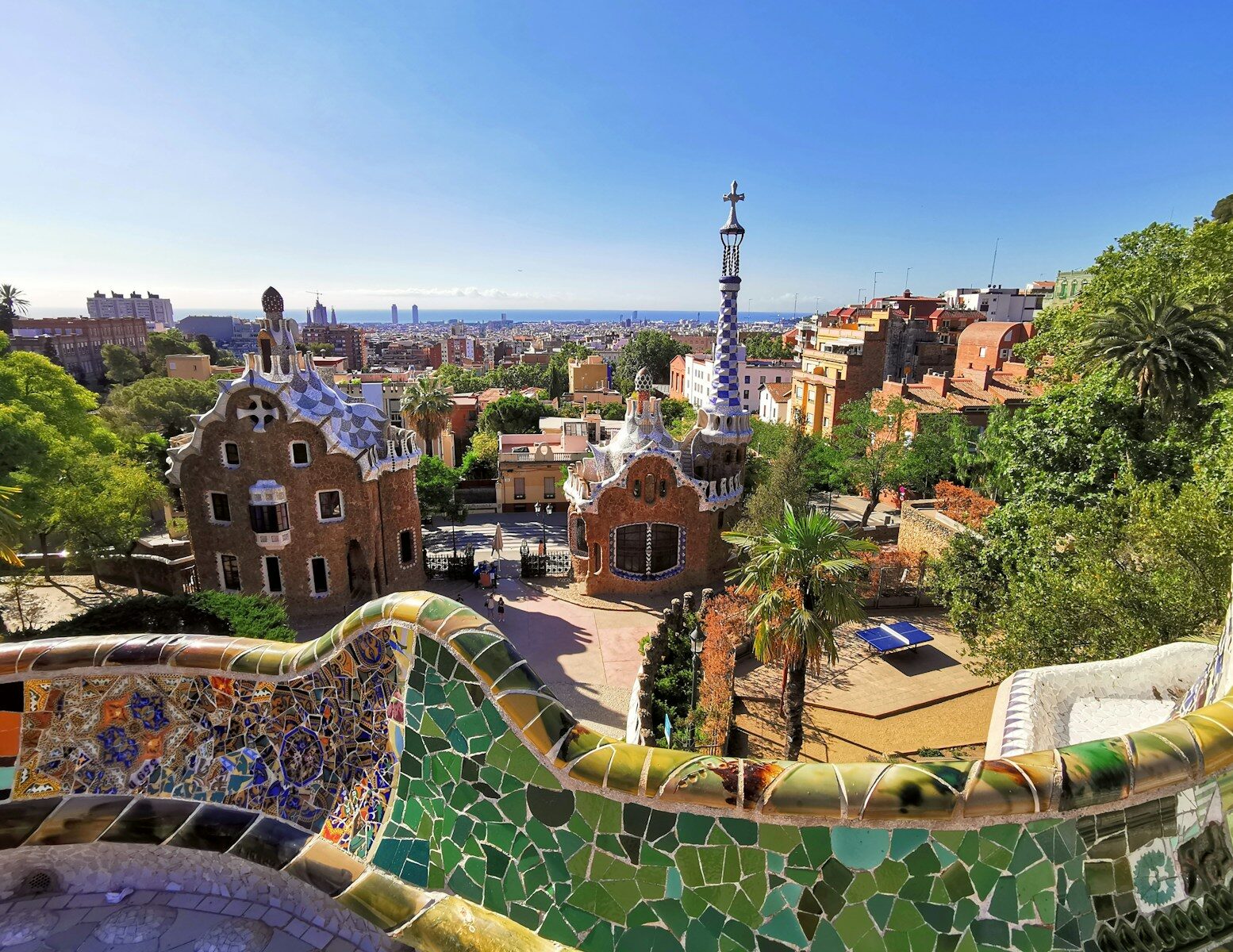
Park Güell combines Gaudí’s architectural details with gardens and views over Barcelona. The colourful mosaic work is a highlight, but the paths, terraces and changes in elevation are also part of the experience.
Allow around 1.5 to 2 hours for a first visit. Wear comfortable shoes, bring water and remember that the park has slopes and steps in several areas.
The monumental area uses timed tickets. The official website states that visitors have a 30-minute grace period after the time printed on the ticket to enter. Seasonal opening times vary, so confirm the schedule for your travel date.
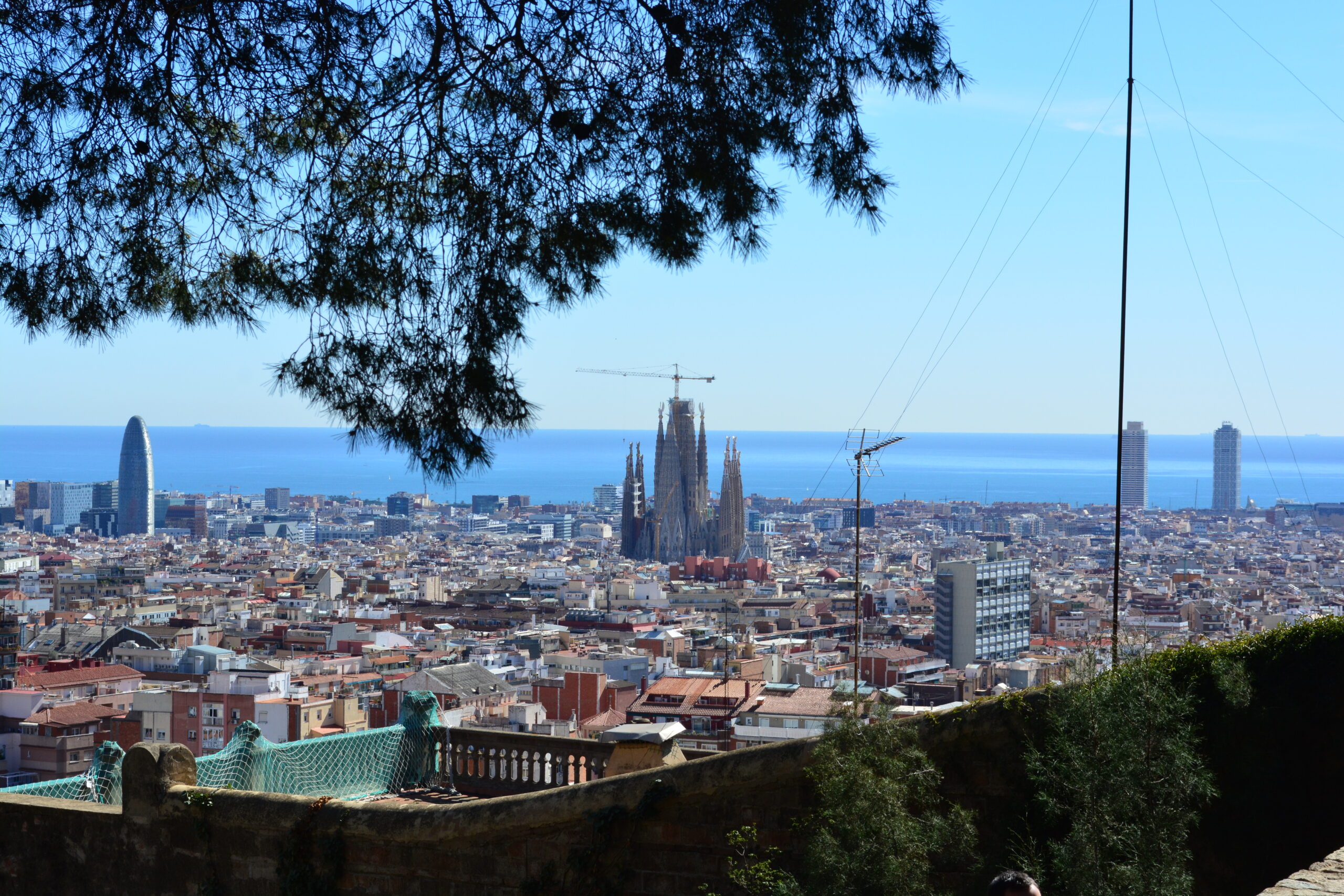
Buy tickets and confirm entry rules on the official Park Güell prices and times page.
11:30 am — Walk through Gràcia
After the park, explore Gràcia if you want a slower look at everyday Barcelona. The neighbourhood has small squares, independent shops, cafés and residential streets that feel different from the main shopping avenues.
Choose a square, stop for coffee and give yourself time to wander. This is a good part of the itinerary to leave flexible because the best stop may be a café or shop you discover along the way.
1:00 pm — Lunch and a break
Have lunch in Gràcia or return towards the centre, depending on where you want to spend the afternoon. If you have walked several kilometres already, take a proper break instead of trying to fit in another attraction immediately.
2:30 pm — Discover the Gothic Quarter
The Gothic Quarter is best explored on foot. Start around Barcelona Cathedral and continue through the small squares and narrow streets, looking for the architectural details that are easy to miss when you are rushing between landmarks.
The neighbourhood includes Roman remains, medieval buildings, historic churches and the former Jewish Quarter. It is compact enough to explore without a rigid route, although a guided walk can be useful if you want more historical context.
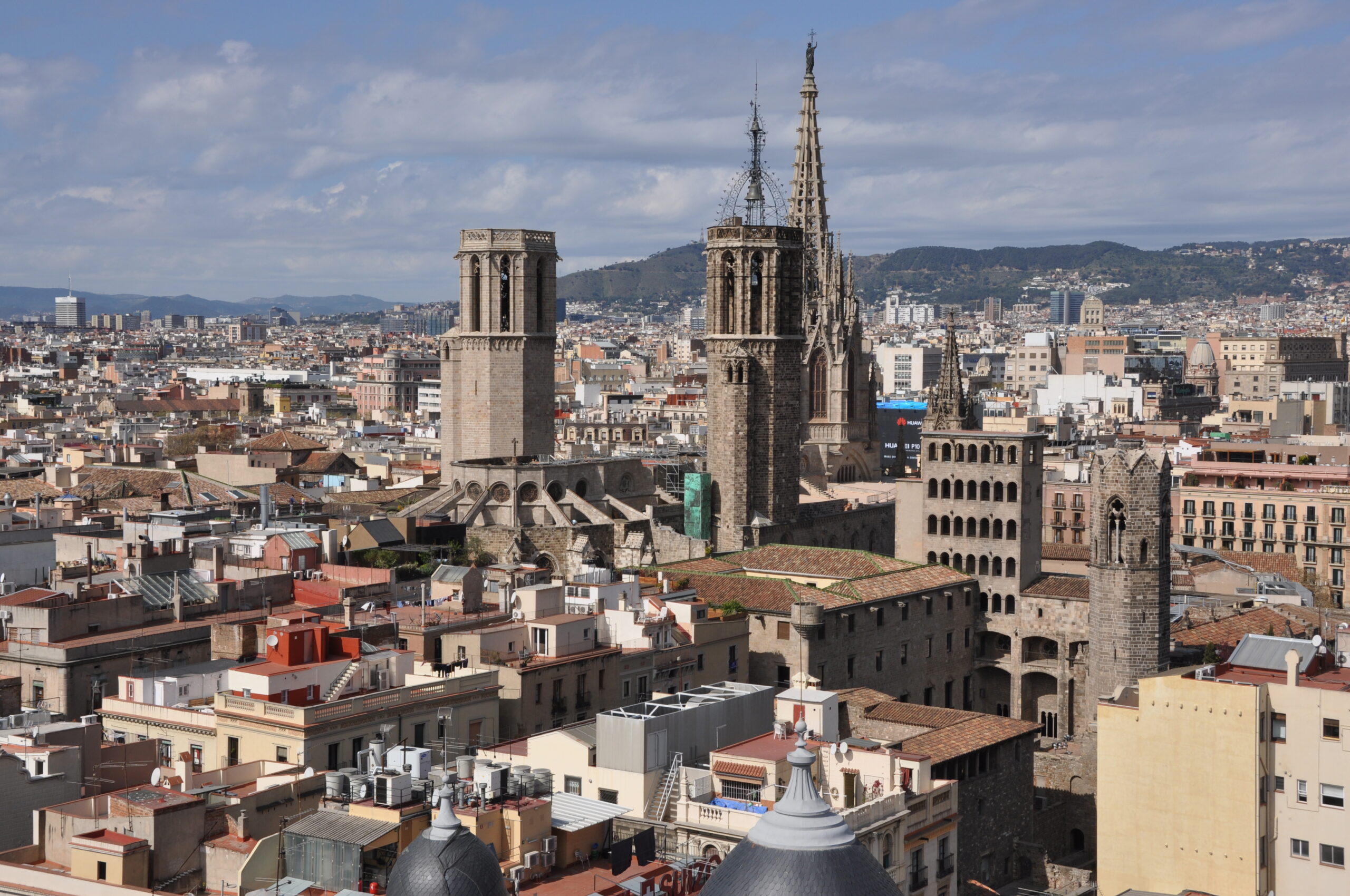
For a useful overview of the neighbourhood’s landmarks and history, consult the Barcelona Tourism guide to the Gothic Quarter.
4:30 pm — Continue into El Born
El Born is a natural continuation of the old-city walk. Its narrow lanes, independent shops, cafés and cultural venues make it a good place to slow down after a morning of sightseeing.
If history interests you, consider visiting the El Born Centre de Cultura i Memòria. Check the current exhibitions and access information before making it part of your schedule.
Otherwise, keep the visit simple: browse the shops, choose a café and enjoy the neighbourhood without adding another timed ticket to the day.
Evening — Dinner in the old city
El Born and the surrounding historic centre have plenty of dinner options. Compare menus before sitting down, particularly on the busiest streets, and look a few blocks away from the main tourist routes if you want more choice.
Day 3 — La Boqueria, Montjuïc and the Waterfront
Use the final day for food, city views and time beside the sea. Start around La Rambla, then choose either Montjuïc or a longer waterfront afternoon according to your interests and the weather.
9:00 am — Browse La Boqueria Market
La Boqueria is one of Barcelona’s best-known food markets, with stalls selling produce, seafood, sweets and ingredients used in Catalan cooking. It is worth a visit even if you only want a small snack rather than a full meal.
Go earlier if you want to browse before the busiest part of the day. Treat the market as a working place as well as a visitor attraction: keep aisles clear, check prices before ordering and ask before photographing vendors.
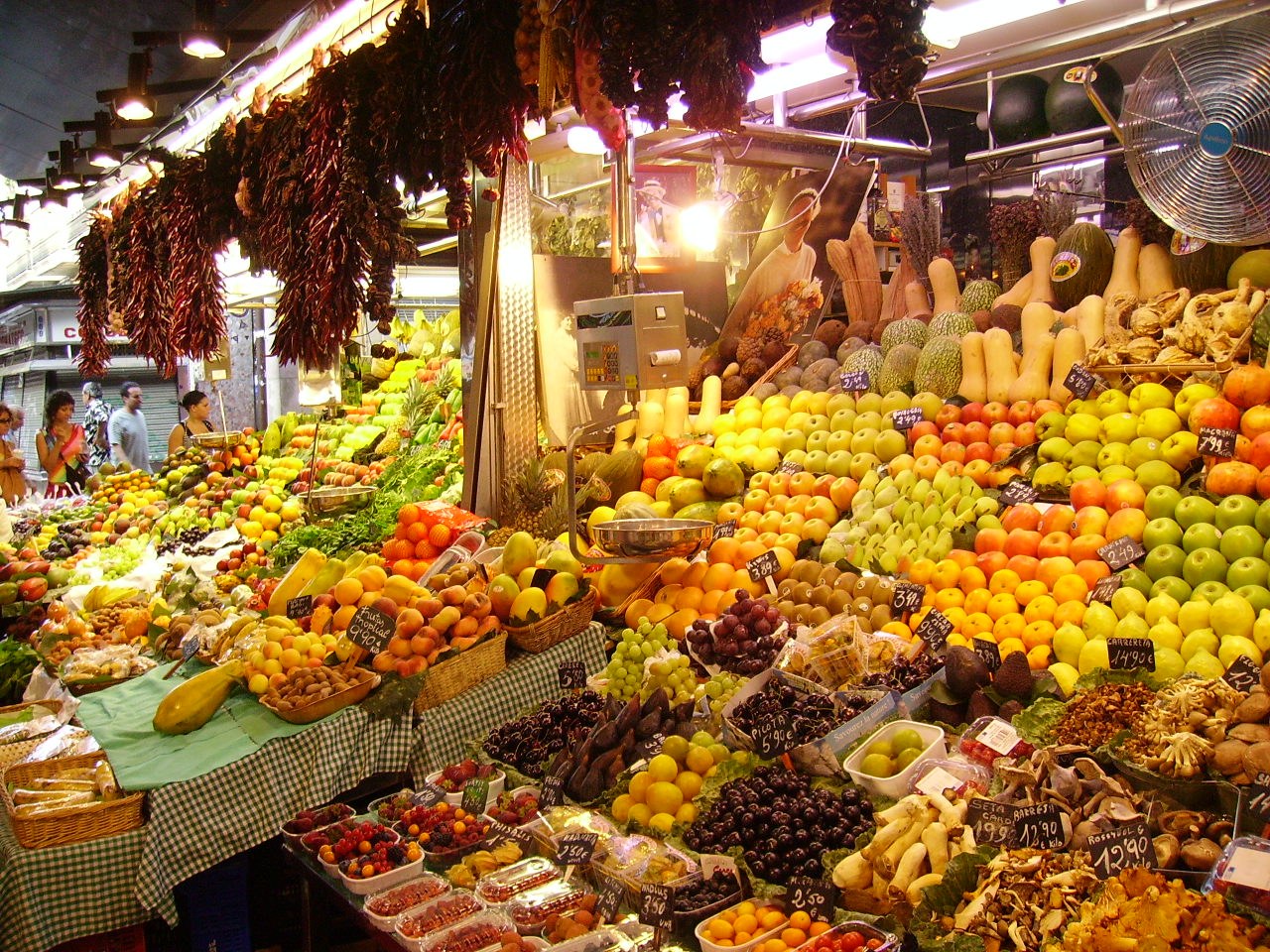
Check opening hours and visitor information before your visit, especially if you are travelling on a public holiday.
11:00 am — Choose Montjuïc for views and culture
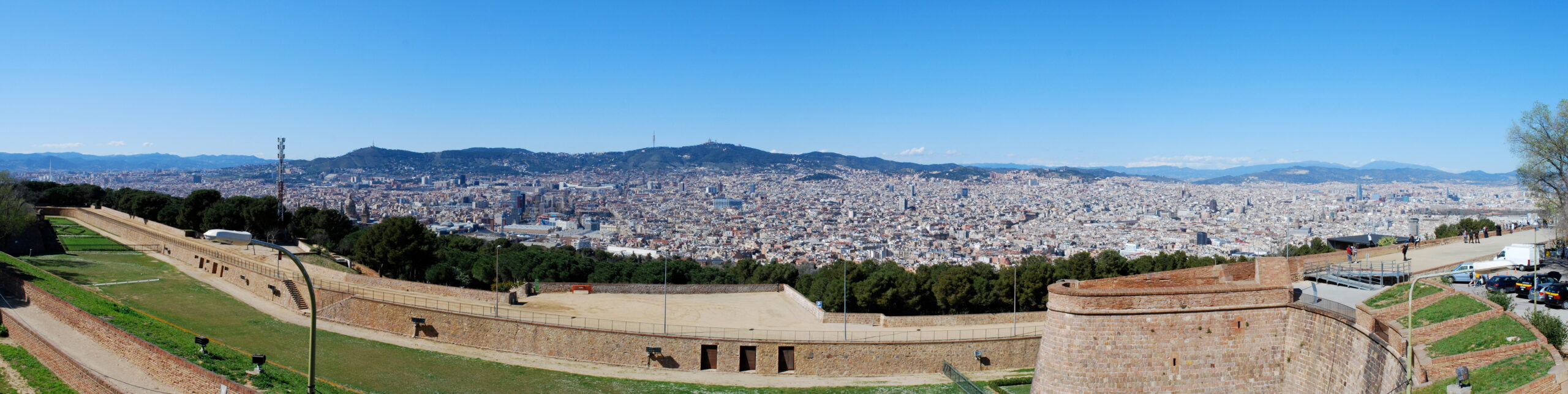
Montjuïc is a good option if you enjoy panoramic views, gardens, museums and open space. The hill overlooks the port and much of Barcelona, but its attractions are spread across a large area.
Choose one or two priorities instead of trying to visit everything. You might explore the gardens and viewpoints, visit a museum or head towards Montjuïc Castle if its history interests you.
Check the opening times and transport options for the specific sites you plan to visit. Walking between places can take longer than expected because of the hill’s slopes and distances.
Alternative — Spend the afternoon by the sea
If the weather is pleasant and you prefer a slower day, head towards Barceloneta instead. Walk along the beach, follow the waterfront and stop at a café for a drink or a light meal.
The beach is part of the city rather than a separate day trip, so it is easy to fit into a short visit. In cooler months, think of it as a coastal walk rather than a guaranteed swimming day.
If you want seafood or paella, check the menu and prices before ordering. A sea view can be appealing, but it is worth choosing a restaurant for the food as well as its location.
Late afternoon — Leave room for a final stop
Keep the last part of the trip open. Return to a neighbourhood you enjoyed, browse a shop you passed earlier or sit down for coffee before dinner.
That flexibility is useful on a short city break. A good itinerary should help you make decisions, not force you to rush away from a place you are enjoying.
How to Get Around Barcelona
The metro is useful for longer journeys, while walking is usually the best way to explore compact areas such as the Gothic Quarter and El Born. Buses can also help when a destination is not close to a metro station.
For 2026, the T-casual ticket costs €13 for ten journeys in one fare zone. It is a single-person ticket and is not valid for metro journeys to or from the airport stations Aeroport T1 and Aeroport T2 on line L9 Sud.
The separate airport metro ticket costs €5.90 under the 2026 tariff. The Hola Barcelona Travel Card includes return airport metro journeys and unlimited travel for its chosen validity period, so compare the options with your planned journeys before buying a pass.
Check the official 2026 transport fares and the Hola Barcelona Travel Card details before departure.
What to Eat During Your Barcelona Trip
Food does not need to become another complicated part of the itinerary. Leave space to try a few local dishes, browse a market and choose restaurants that fit naturally into your route.
- Pa amb tomàquet: bread rubbed with tomato and usually dressed with olive oil.
- Patatas bravas: fried potatoes served with sauces that vary between restaurants.
- Bombas: potato-based tapas associated with Barcelona.
- Crema catalana: a traditional Catalan dessert with a caramelised sugar topping.
- Seafood and rice dishes: widely available, particularly near the waterfront.
If you want to sample several dishes, sharing a few tapas can be more flexible than ordering a large meal. Check portion sizes and prices before ordering, particularly in busy tourist areas.
How Much Should You Book in Advance?
Reserve the Sagrada Família and Park Güell first, then decide whether you want to visit the interiors of Casa Batlló, La Pedrera or Sant Pau. These choices have a greater effect on your schedule than an ordinary neighbourhood walk.
Keep cafés, casual meals, shopping and most outdoor walks flexible. This gives you room to respond to the weather, tired feet or a place you discover along the way.
Check opening times again a few days before departure. Public holidays, special events and maintenance can affect access, and a schedule found in an old blog post may no longer be accurate.
Is Three Days Enough for Barcelona?
Three days gives you a solid introduction to Barcelona if you group attractions by location and book the busiest sights in advance. You can experience Gaudí’s architecture, explore the historic centre, try local food and still leave room for the sea or a viewpoint.
You will not see everything, and that is fine. Choose the places that matter most to you, avoid turning every hour into a booking and give yourself time to enjoy the city between the main attractions.
For a broader overview of Barcelona’s neighbourhoods and landmarks, continue with our Barcelona city guide. If you are planning another European city break, our guide to spending three days in Paris offers another practical itinerary.