
Things to Do in New Orleans and the Experiences Worth Your Time
New Orleans is a city that invites you to slow down and explore. The sound of jazz drifts through historic streets, balconies overlook colorful buildings, and the smell of freshly made beignets draws you toward neighborhood cafés. Beyond its famous nightlife, the city offers beautiful gardens, fascinating history, distinctive food, and experiences that reveal a culture unlike anywhere else in the United States.
If you are looking for the best things to do in New Orleans, start with the French Quarter, make time for live music, explore the Garden District, and leave room for a few unexpected discoveries. This guide covers the essential sights, local experiences, outdoor spaces, food stops, and practical tips to help you plan a memorable visit.
1. Explore the French Quarter
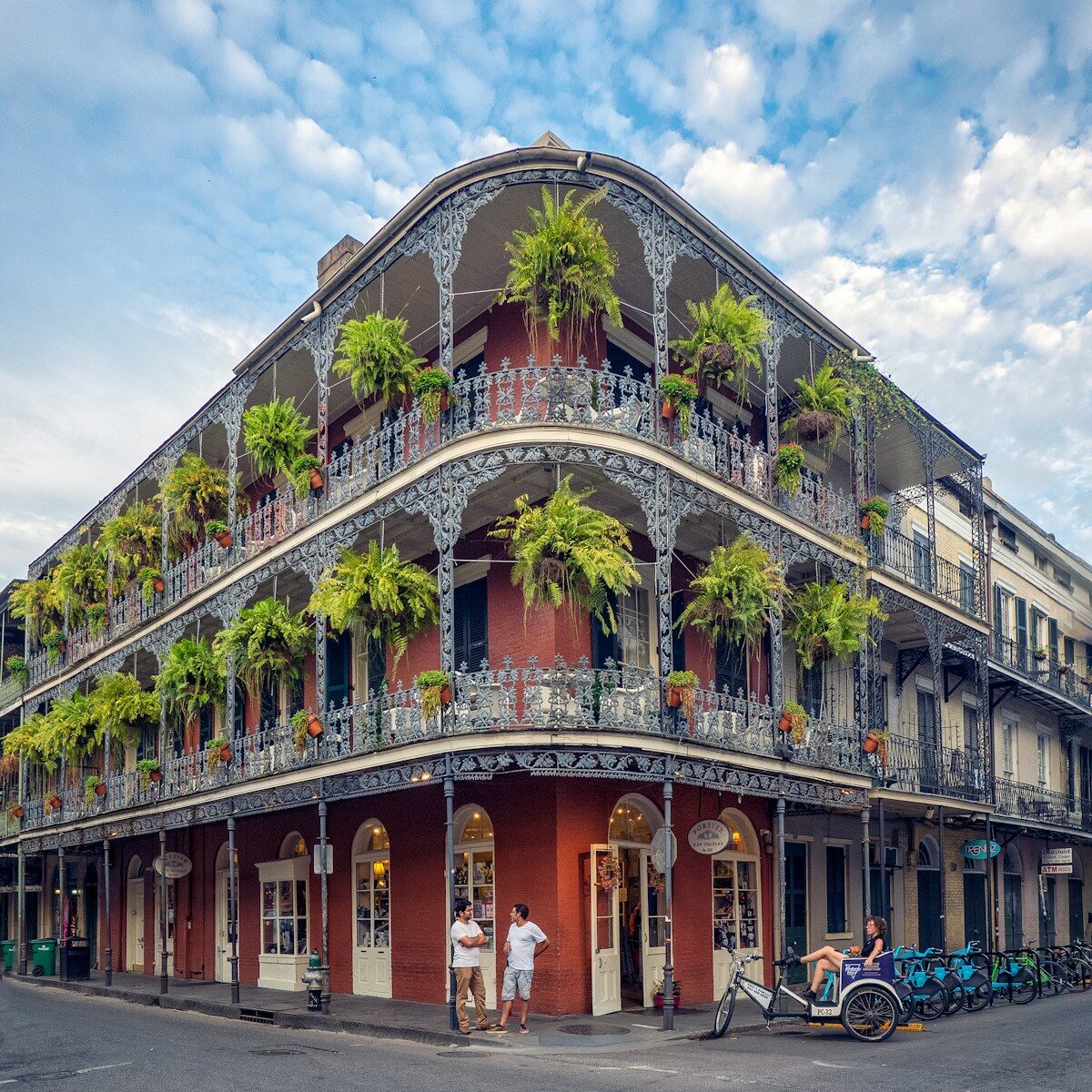
The French Quarter, also known as the Vieux Carré, is the historic heart of New Orleans. Its colorful façades, wrought-iron balconies, narrow streets, galleries, cafés, and lively squares make it one of the city’s most rewarding neighborhoods to explore on foot.
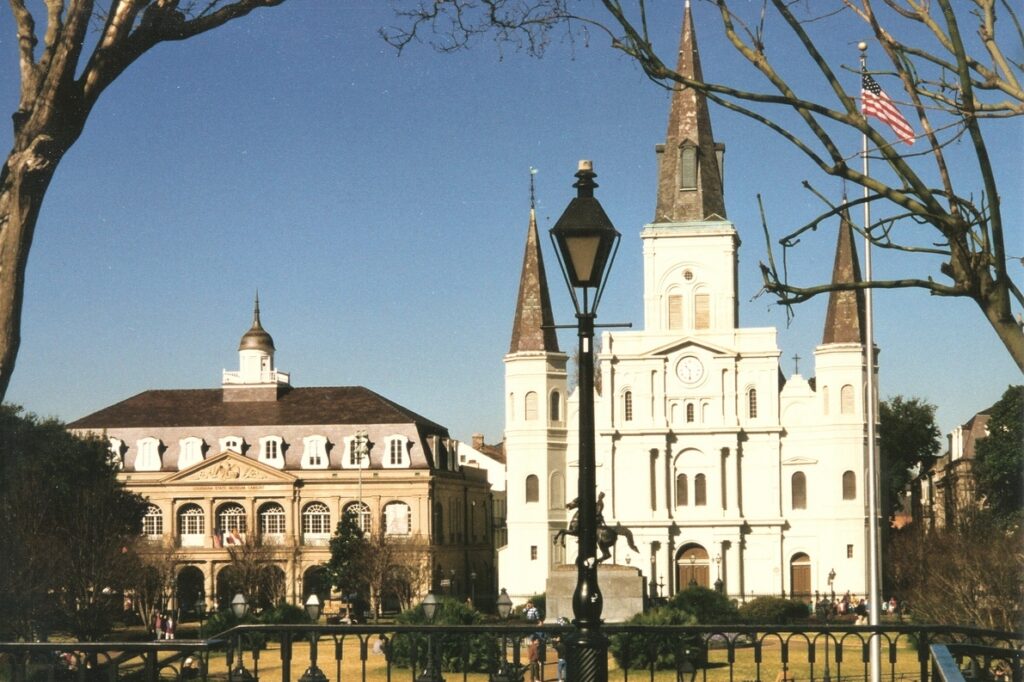
Start around Jackson Square, where you can admire St. Louis Cathedral and watch artists and street performers. Then wander along Royal Street for antique shops, galleries, and architectural details that are easy to miss when you rush from one attraction to another.
Bourbon Street is famous for its nightlife, but it is only one part of the neighborhood. For a quieter experience, visit earlier in the day or explore side streets where courtyards, historic buildings, and small local businesses offer a different perspective on the city.
Best tip: Wear comfortable shoes and give yourself time to wander without a strict route. Some of the best discoveries happen between the major sights.
2. Visit Jackson Square and St. Louis Cathedral
Jackson Square is a natural stopping point during a walk through the French Quarter. The landscaped square sits beside St. Louis Cathedral and historic buildings that help tell the story of New Orleans. It is a lovely place to pause, take photographs, and appreciate the architecture around you.
Walk around the square before exploring the nearby streets and riverfront. If you want to learn more about the area’s past, consider joining a guided walking tour that explains the city’s French, Spanish, African, Caribbean, and American influences.
For historical context, consult the Jean Lafitte National Historical Park and Preserve and its resources on the cultural history of the region.

3. Listen to live jazz
Music is part of everyday life in New Orleans, and hearing jazz in person is one of the experiences worth making time for. You might come across musicians playing in the street, discover a small venue, or spend an evening listening to a band in an intimate room.
Preservation Hall is a well-known place to experience traditional New Orleans jazz. Frenchmen Street, in the Faubourg Marigny neighborhood, is another popular destination for live music, with venues offering different styles and atmospheres throughout the evening.
Rather than choosing a venue only because it is famous, look at the night’s performers and the kind of music you want to hear. Some shows are seated and focused on listening, while other places feel more like a lively neighborhood night out.
Check the official Preservation Hall website for performance details, ticket information, and current visitor guidance.
4. Ride the St. Charles Avenue streetcar
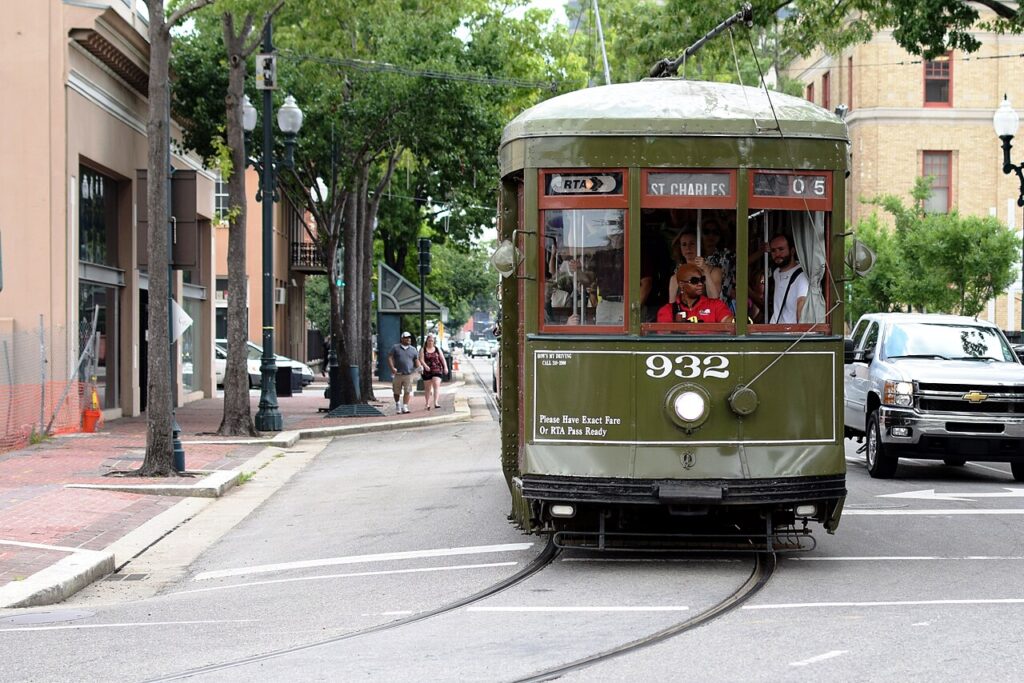
Riding a historic streetcar is both a practical way to get around and an enjoyable New Orleans experience. The St. Charles line travels past leafy streets, historic homes, and grand buildings as it heads through Uptown and the Garden District.
Find a window seat if you can, watch the neighborhoods change along the route, and get off when you reach an area you want to explore on foot. The journey is especially appealing if you enjoy seeing a city at a slower pace rather than moving between attractions by car.
Before setting off, check the New Orleans Regional Transit Authority for current routes, fares, and service updates. You can also read the official tourism guide to exploring New Orleans by streetcar.
5. Discover the Garden District
For a different atmosphere from the busy French Quarter, spend a few hours in the Garden District. The neighborhood is known for its historic mansions, mature trees, garden walls, and residential streets that invite a leisurely walk.
Look for architectural details such as wide porches, decorative ironwork, and shaded verandas. The area is especially enjoyable for travelers who like historic neighborhoods and photography. Remember that many of the beautiful homes are privately owned, so admire them from public sidewalks and respect residents’ privacy.
You can explore independently or join a guided walking tour to learn more about the district’s architecture and history. Pair the visit with a streetcar ride to make the journey part of the experience.

6. Try beignets and café au lait
Food is an essential part of a New Orleans visit, and beignets are one of the city’s best-known treats. These square fried pastries are traditionally served under a generous dusting of powdered sugar. Pair them with café au lait for a classic local-style break.
Café du Monde is a famous place to try them, but it is not the only reason to explore the city’s café culture. Leave time for neighborhood bakeries, independent coffee shops, and restaurants where you can discover the flavors that make the local food scene distinctive.
Be prepared for powdered sugar on your fingers, your table, and possibly your clothes. That is part of the fun. If a well-known café is crowded, consider returning at a quieter time rather than squeezing the experience into a rushed itinerary.

7. Taste the flavors of Creole and Cajun cooking
Beyond beignets, New Orleans is a rewarding destination for travelers who plan trips around food. Look for gumbo, jambalaya, red beans and rice, po’boys, and other regional specialties. Menus vary from restaurant to restaurant, so trying a few dishes in different places can be more interesting than relying on a single famous meal.
Creole and Cajun cooking have distinct histories and traditions, even though the terms sometimes appear together on menus. Ask restaurant staff about the ingredients and preparation if you want to understand what makes a dish special.
For a relaxed food-focused afternoon, visit a market, stop for a casual lunch, and leave room for dessert or coffee. You can find more ideas through the official New Orleans tourism website, which includes food guides and neighborhood recommendations.
8. Wander through City Park
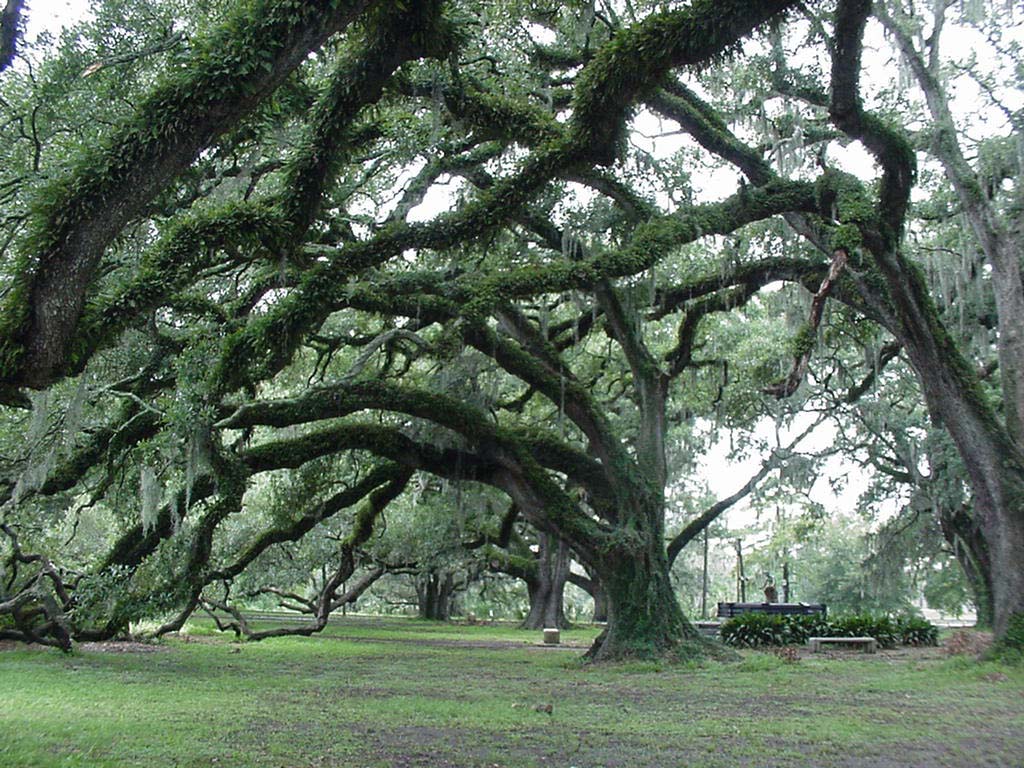
City Park provides a welcome change of pace from the city’s historic streets. Its expansive green spaces, mature oak trees, walking paths, and garden areas make it a good choice when you want to spend time outdoors.
Depending on your interests, you can enjoy a quiet walk, take photographs beneath the trees, or combine your visit with nearby cultural attractions. The New Orleans Museum of Art and its Besthoff Sculpture Garden are also worth considering when planning time in this part of the city.
Allow more time than you might expect if you plan to explore several areas of the park. Bring water, check the weather, and confirm attraction opening times before traveling.
9. Explore the Mississippi Riverfront
The Mississippi River is part of the story of New Orleans, shaping its history, trade, and identity. A walk along the riverfront gives you a different view of the city, with open water, passing vessels, and places to pause between sightseeing stops.
If you want to spend more time on the water, look into available river cruises and sightseeing experiences. Options and schedules vary, so compare the departure point, duration, and what’s included before booking.
Even if you do not take a cruise, the riverfront can be a pleasant addition to a French Quarter walking route. It is an easy way to balance the busy streets with a more open landscape.
10. Visit a museum or cultural attraction
New Orleans has more to offer than its famous music venues and nightlife. Museums and cultural attractions provide opportunities to explore the region’s art, history, and complex cultural heritage in greater depth.
The New Orleans Museum of Art is a useful option for art lovers, while the National World War II Museum offers an extensive look at the history of the Second World War. Choose based on your interests and allow enough time to enjoy the experience without rushing through the exhibits.
Check official attraction websites for current opening hours, ticket options, accessibility information, and any advance reservations you may need. Museum schedules and special exhibitions can change.
11. Discover local markets and independent shops
Markets and small shops are a good way to explore the city’s everyday character. Browse local crafts, regional food products, art, books, and souvenirs while leaving room for spontaneous stops along the way.
The French Market area is a natural starting point near the French Quarter. For a more personal shopping experience, look beyond the busiest tourist streets and explore neighborhood businesses where you can take your time and discover something unexpected.
If you are buying gifts, consider something connected to local food culture, music, or art. A thoughtful keepsake can be a better reminder of the trip than a souvenir you could find anywhere.
12. Experience New Orleans after dark
Evening brings a different energy to New Orleans. You can plan a night around live music, a relaxed dinner, a historic walking tour, or a cocktail bar. You do not need to spend the entire evening on Bourbon Street to experience the city’s nightlife.
If you prefer music, look for a performance on Frenchmen Street or check the schedule at a dedicated venue. If you would rather keep things quieter, choose a restaurant and explore a few nearby streets before heading back to your accommodation.
As in any busy city, keep an eye on your belongings, plan your journey back in advance, and use well-lit routes. If you are unfamiliar with the area, ask your accommodation or venue staff for current local advice.
13. Take a guided history or architecture tour
A guided tour can connect the buildings, music, food, and neighborhoods you see with the stories behind them. Walking tours are particularly useful in the French Quarter and Garden District, where architecture and local history are closely connected.
Choose a tour based on your interests rather than booking the first option you see. Some focus on architecture and historic landmarks, while others explore food, music, or specific aspects of the city’s past. Read the description carefully and check the meeting point, length, and accessibility details.
14. Find quieter corners beyond the main attractions
Some of the most memorable moments in New Orleans happen when you leave space in your itinerary. A quiet courtyard, a shaded residential street, a small gallery, or a neighborhood café can offer a welcome contrast to the busiest tourist areas.
Consider exploring neighborhoods such as the Marigny or Bywater when you have time to venture beyond the central sights. Research specific places before setting out, respect residential areas, and use local advice to choose the best route for your interests and comfort level.
The aim is not to find a secret place at any cost. It is to experience the city at a slower pace and notice the details that make it distinctive.
How many days do you need in New Orleans?
Two full days are enough for a first look at the French Quarter, a few food stops, and an evening of live music. With three days, you can add the Garden District, a streetcar ride, and a museum or park visit. Four or more days give you greater flexibility to explore additional neighborhoods and enjoy the city at a slower pace.
A simple three-day plan
- Day 1: Explore the French Quarter, visit Jackson Square, admire St. Louis Cathedral, and try beignets. Spend the evening listening to live music.
- Day 2: Ride the St. Charles Avenue streetcar, walk through the Garden District, and enjoy a relaxed dinner featuring local cuisine.
- Day 3: Visit City Park or a museum, browse a local market, and take a walk along the Mississippi Riverfront.
Use this as a flexible starting point rather than a strict schedule. Group nearby attractions together, check current opening times, and leave a little room for an unplanned café stop or a performance you discover along the way.
Practical tips for visiting New Orleans
- Choose your season carefully: Weather, humidity, festivals, and visitor demand can affect your experience. Check the forecast and local event calendar before booking.
- Book popular experiences in advance: Reserve performances, guided tours, and attractions when dates or capacity are limited.
- Wear comfortable shoes: Exploring the historic neighborhoods on foot is one of the best ways to experience the city.
- Use public transport where it makes sense: Check current streetcar and bus routes, fares, and service information through the local transit authority.
- Plan around the heat: In warmer months, schedule outdoor walks earlier or later in the day and take breaks for water and shade.
- Respect residential neighborhoods: Keep noise down, respect private property, and be considerate when photographing homes or people.
- Check official sources: Opening hours, ticket policies, routes, and events may change, so confirm details before you go.
Is New Orleans worth visiting?
New Orleans is worth visiting if you enjoy cities with a strong sense of identity. Its historic architecture, live music, distinctive food, leafy neighborhoods, and riverfront setting offer a mix of experiences that can fill a weekend or a longer trip.
The best approach is to balance the famous sights with time to explore at your own pace. Visit the French Quarter, listen to live jazz, taste the local food, and discover a neighborhood beyond the main tourist route. Those small moments can become the most memorable part of your stay.
If you are planning more city escapes, continue exploring our Paris three-day itinerary and Barcelona city guide for more ideas on making the most of a destination. You can also find seasonal inspiration in our guide to Christmas in London.
For official visitor information, neighborhood guides, and current recommendations, visit New Orleans & Company before finalizing your plans.