A Winter Bucket List for Your Next Cold-Weather Escape
Winter changes the way a trip feels. A familiar city becomes quieter after a snowfall, mountain villages settle into shorter days, and a train journey can turn into hours of watching forests and fields pass beneath a layer of snow. For some travelers, the season means skiing and long days outdoors. For others, it means warm pools, festive streets, small cafés, and places that are easier to appreciate when there is less to do.
This winter bucket list brings together experiences for different kinds of trips, from seeing the northern lights to walking through a snow-covered forest. You do not need to plan every activity in one season. Choose a few that suit your budget, travel dates, and appetite for cold weather, then build a trip around them.
1. See the northern lights
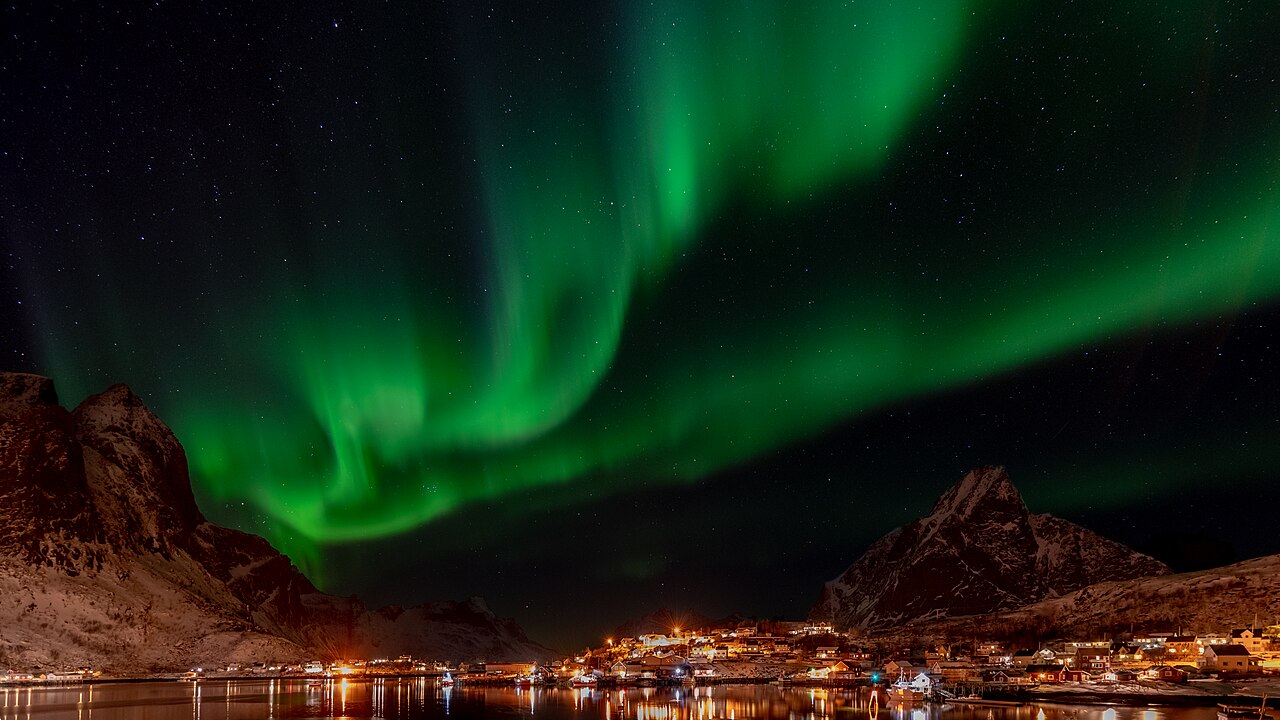
Watching the aurora move across a dark winter sky is a reason many travelers head north. Northern Norway, Finnish Lapland, Swedish Lapland, and parts of Iceland are popular places to plan an aurora trip. The experience depends on several things working together: aurora activity, darkness, clear skies, and enough time away from bright city lights.
Give yourself more than one night if you can. A forecast can help you choose when and where to look, but it cannot promise a display. Pack warm layers, check local road conditions, and consider a guided outing if you are unfamiliar with winter driving or remote locations.
Start planning with the official Norway northern lights guide. Choose accommodation and transport with flexibility in mind rather than building the entire trip around one forecast.
2. Stay in a snow-covered alpine village
Spend a few nights in a mountain village where snowy roofs, walking paths, and nearby peaks set the pace. Switzerland, Austria, France, and northern Italy all have alpine areas where winter trips can combine village life with mountain scenery.
You do not have to ski to enjoy an alpine stay. Look for a village with winter walking routes, cafés, scenic lifts, or access to a railway. If you are traveling without a car, check how far the accommodation is from the station and whether local buses operate during your dates.
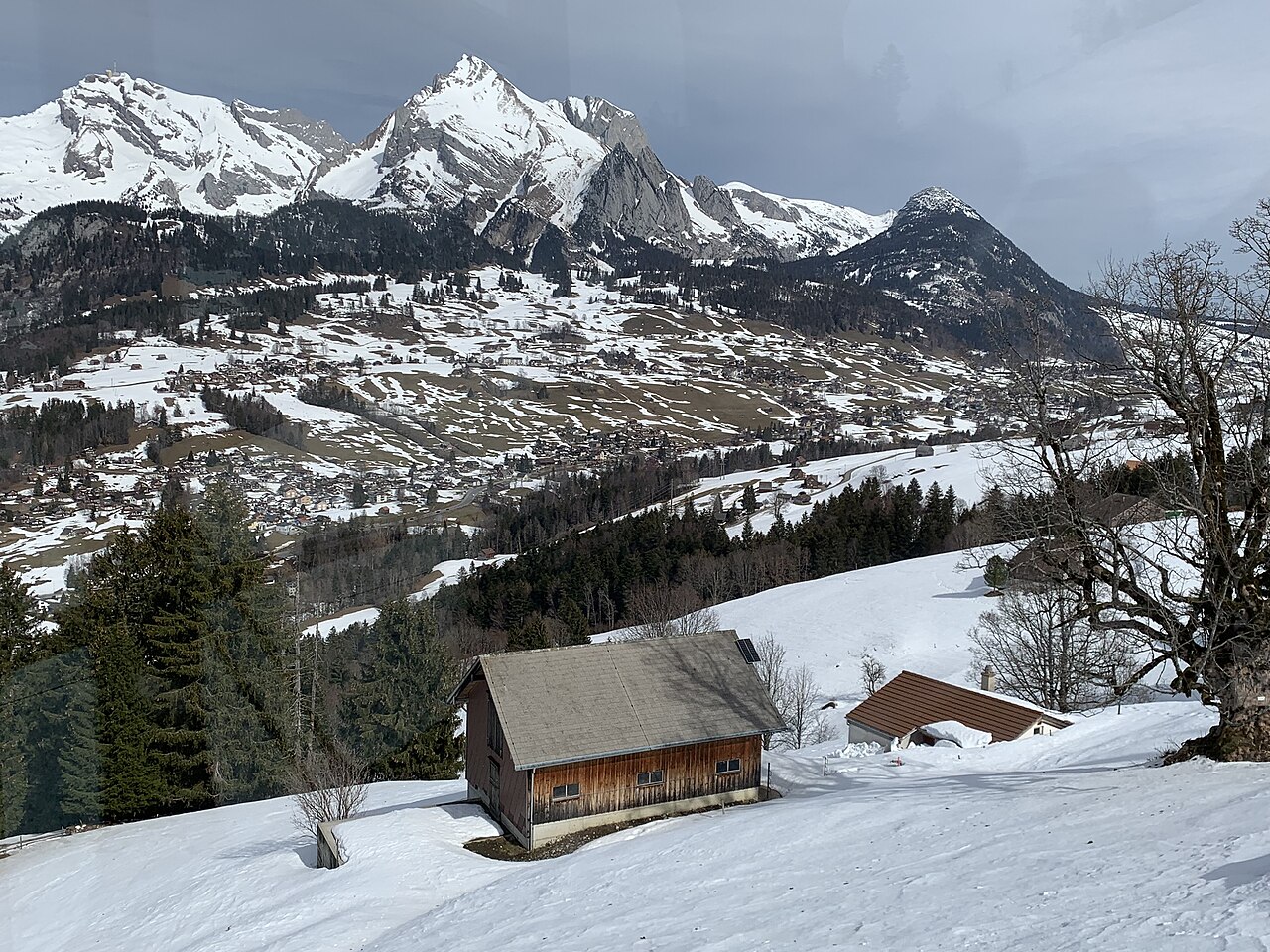
For route ideas and current trail information, explore Switzerland Tourism’s winter hiking guide. Conditions vary with altitude and weather, so check the status of a route before setting out.
3. Take a winter walk through the forest
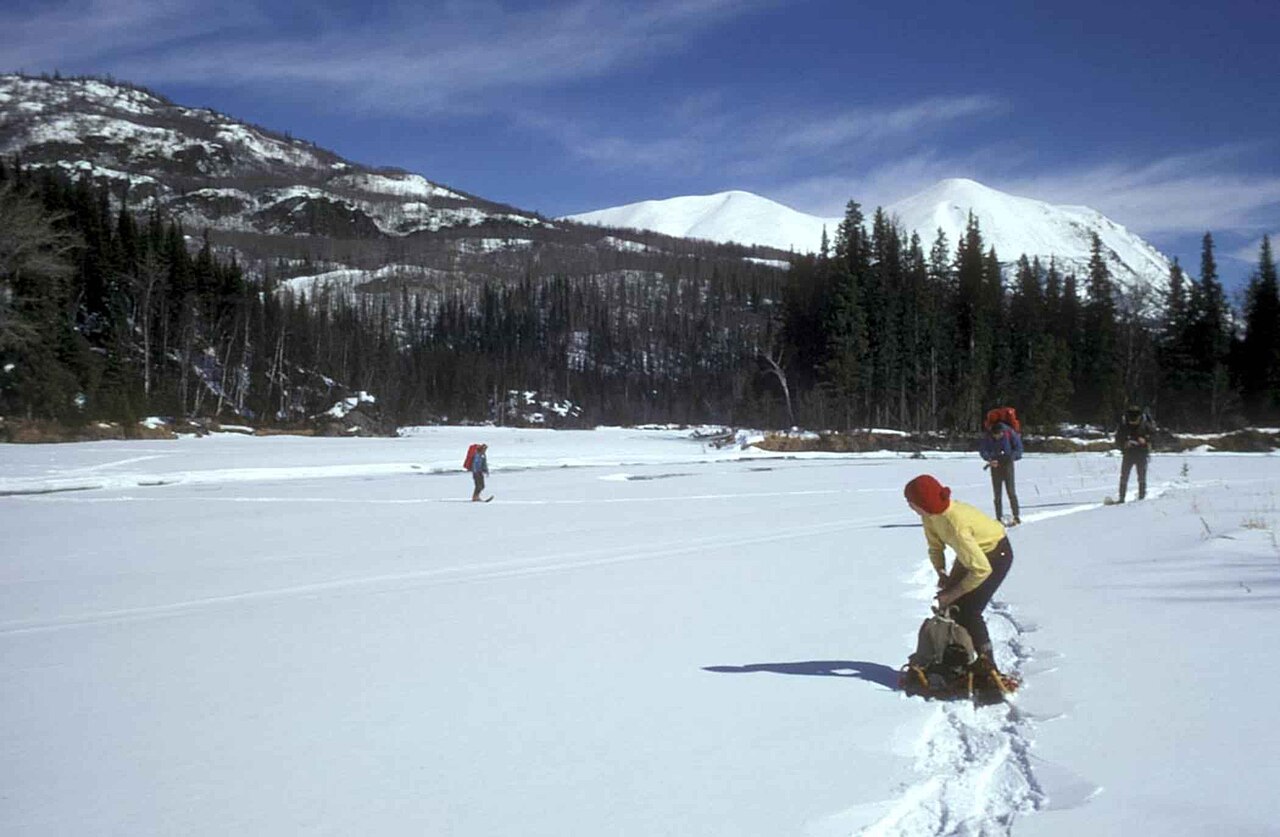
A snowy forest is a good choice when you want an outdoor day without planning an entire ski holiday. On a marked trail, the walk can be as simple as a short morning outing or a longer route with a warm drink waiting at the end.
Snowshoeing makes deeper snow easier to cross, while ordinary winter walking suits maintained paths and lower elevations. Choose a route that matches your experience, check daylight hours, and carry appropriate footwear, water, and extra layers. Avoid unfamiliar avalanche terrain unless you have the training and equipment required for it.
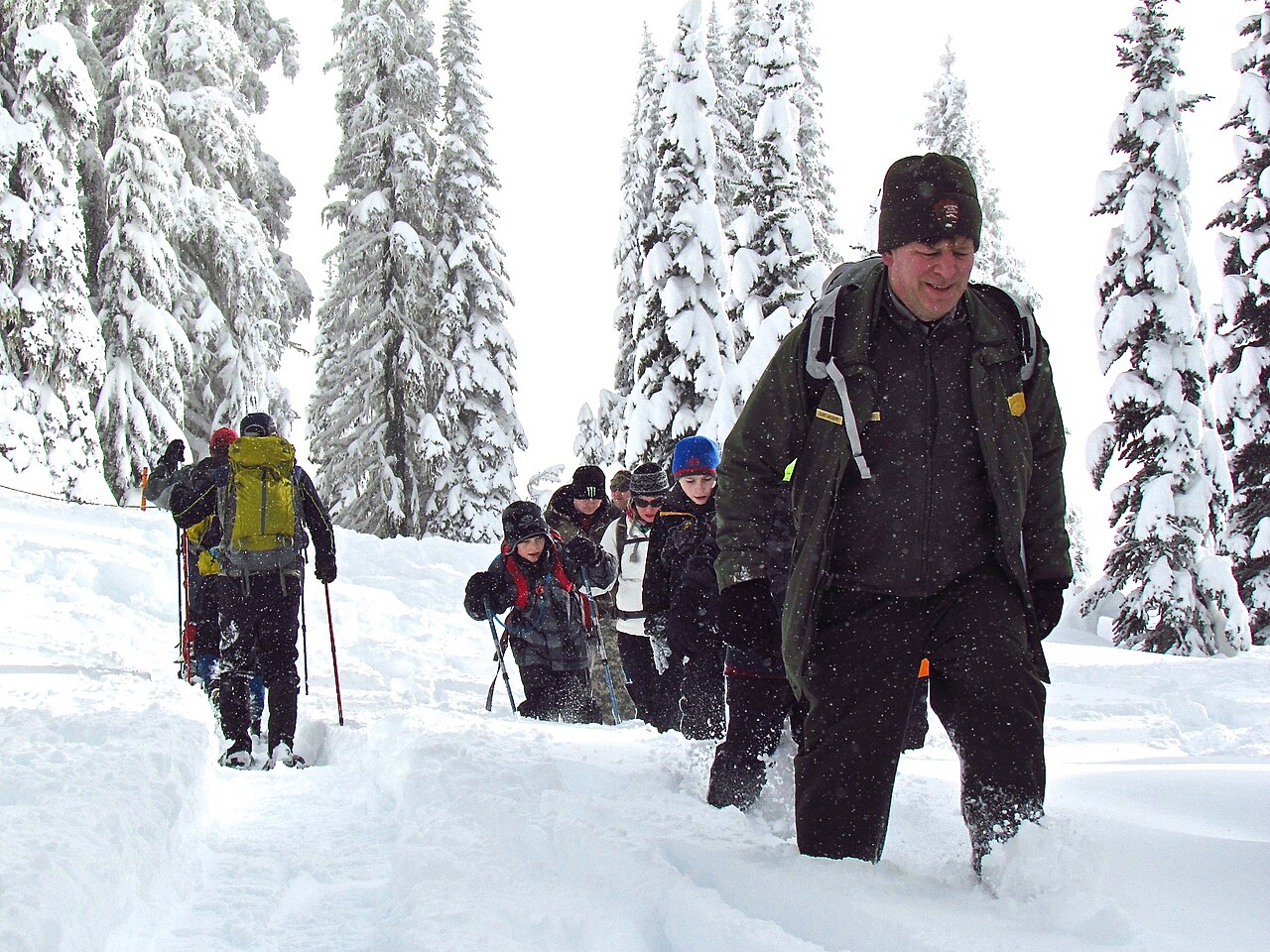
For a first snowshoe outing, look for a guided walk or a well-marked trail with current local information. The U.S. National Park Service provides winter safety information and activity guidance for its parks at NPS.gov.
4. Take a scenic train ride through winter landscapes
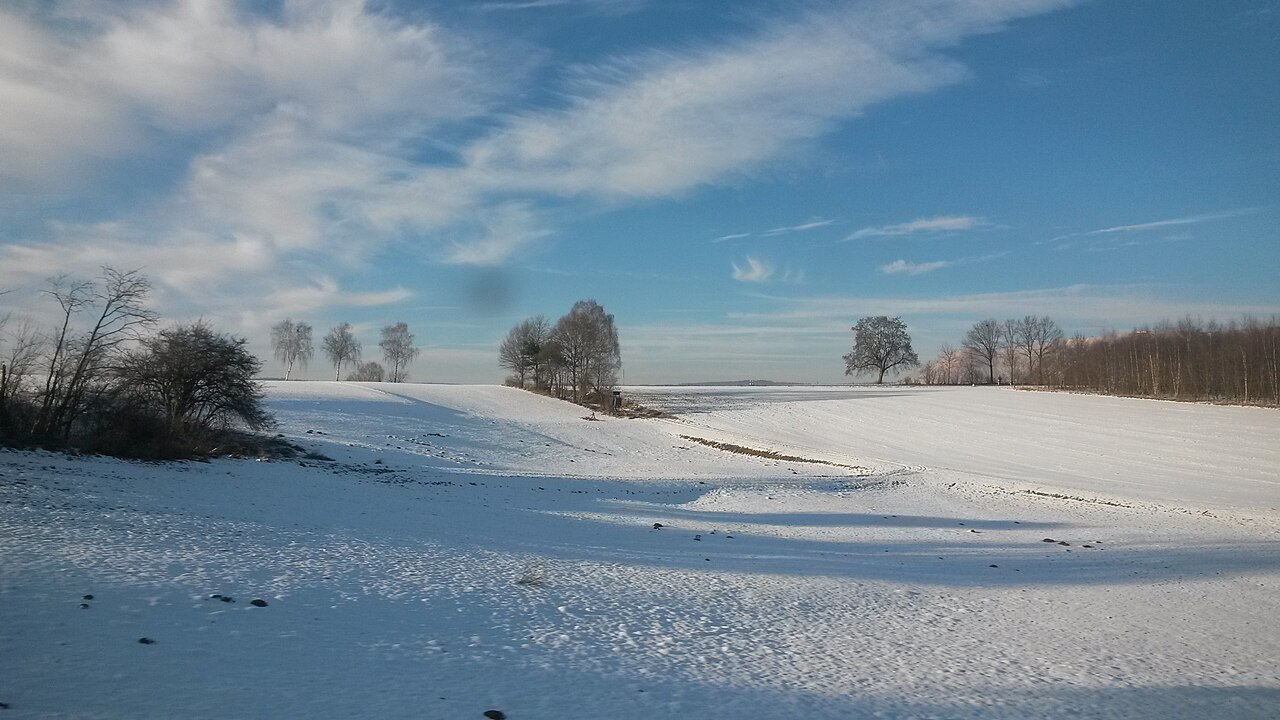
A winter train trip lets you enjoy the scenery without spending every day outside in the cold. Snow-covered fields, wooded hills, small stations, and mountain views can make the journey part of the holiday rather than simply a way to reach the next stop.
Look at scenic rail routes in Switzerland, Austria, Germany, or other regions with reliable winter services. Before booking, compare the journey length, connections, daylight hours, and whether the route offers the views you want. A short regional journey can be just as enjoyable as an expensive panoramic service.
5. Try skiing or snowboarding
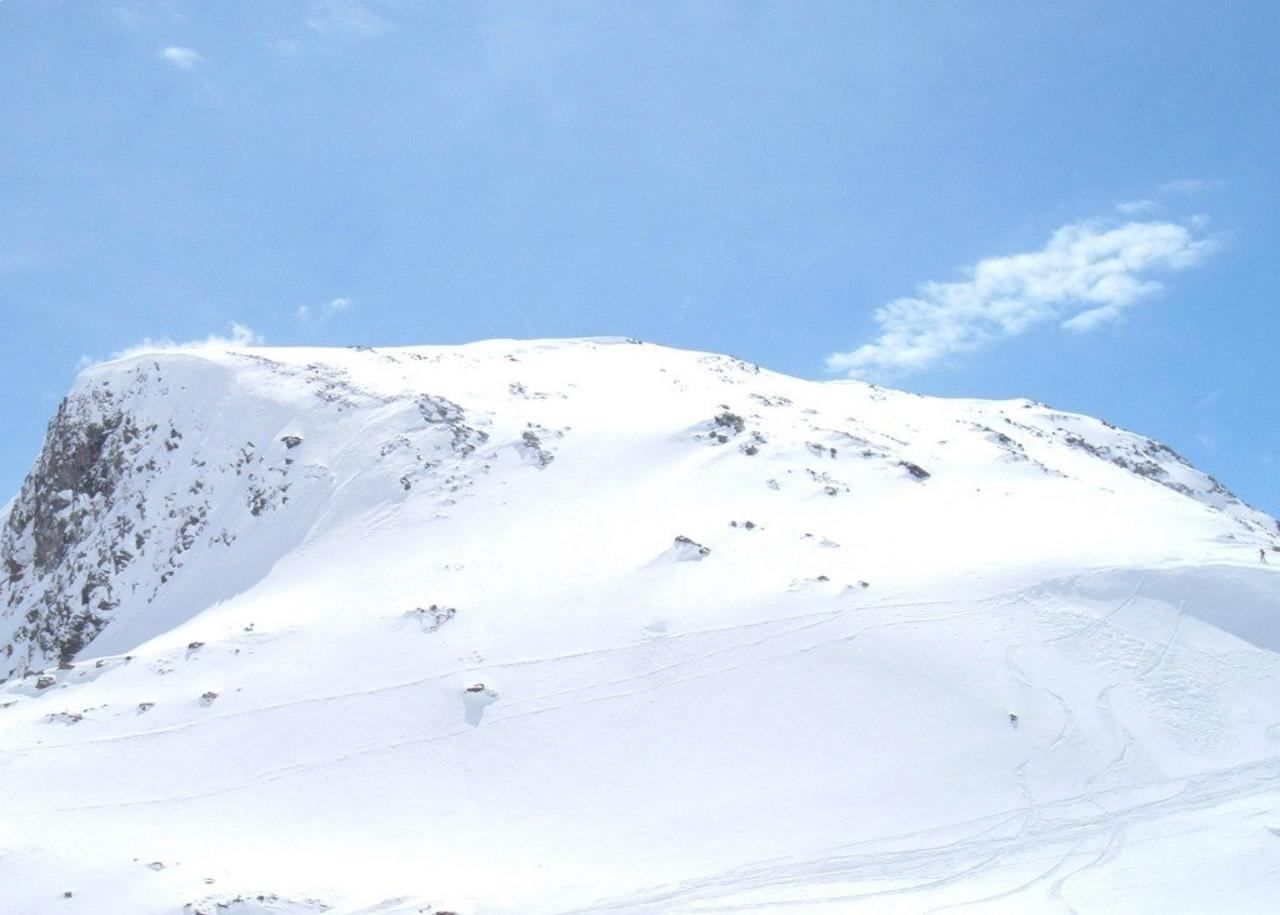
If you want a more active winter holiday, spend a day on the slopes. Beginners can book a lesson and rent equipment instead of buying everything before the trip. Travelers with more experience can compare resorts by terrain, lift access, snow conditions, and the kind of accommodation nearby.
A ski holiday does not need to fill every day with skiing. Add a rest day for a village walk, a long lunch, or a visit to a spa. That approach can make the trip more enjoyable for groups where not everyone has the same ability or interests.
6. Spend an afternoon ice skating
Ice skating is an easy winter activity to add to a city break. Seasonal rinks often appear in town squares and public spaces, while some destinations have permanent indoor rinks that work well when the weather is unpredictable.
Choose a rink that fits your trip rather than planning a whole holiday around skating. Check session times, skate rental, entry fees, and whether advance tickets are needed. If you are traveling with children or beginners, look for quieter sessions or designated practice areas.
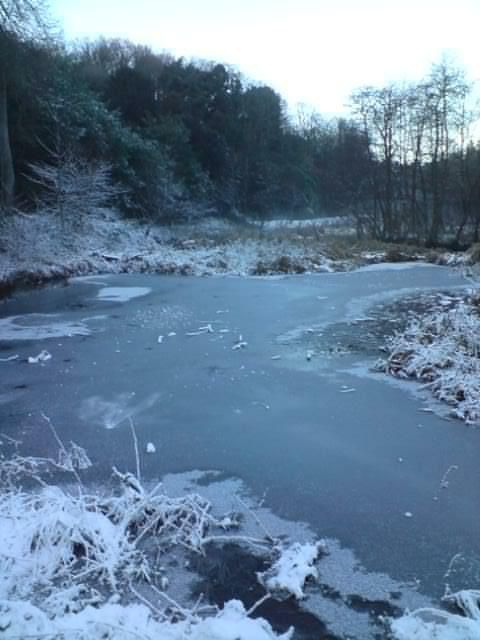
Natural ice is different from a managed rink. Never assume a lake is safe to walk or skate on because it looks frozen. Follow local safety notices and use only areas officially confirmed as safe.
7. Visit a thermal bath or hot spring
Balance cold-weather adventures with a day in warm water. Thermal baths and hot springs can be found in destinations such as Iceland, Japan, Hungary, and parts of the Alps. Some are modern spa facilities, while others are outdoor pools surrounded by snow or mountain scenery.
Check whether a facility requires advance reservations, has separate bathing rules, or asks visitors to bring their own towel and swimwear. If you are visiting a natural hot spring, follow local guidance about water temperature, access, and environmental protection.
For Iceland, use the official Visit Iceland travel guide to research bathing experiences and plan around seasonal conditions.
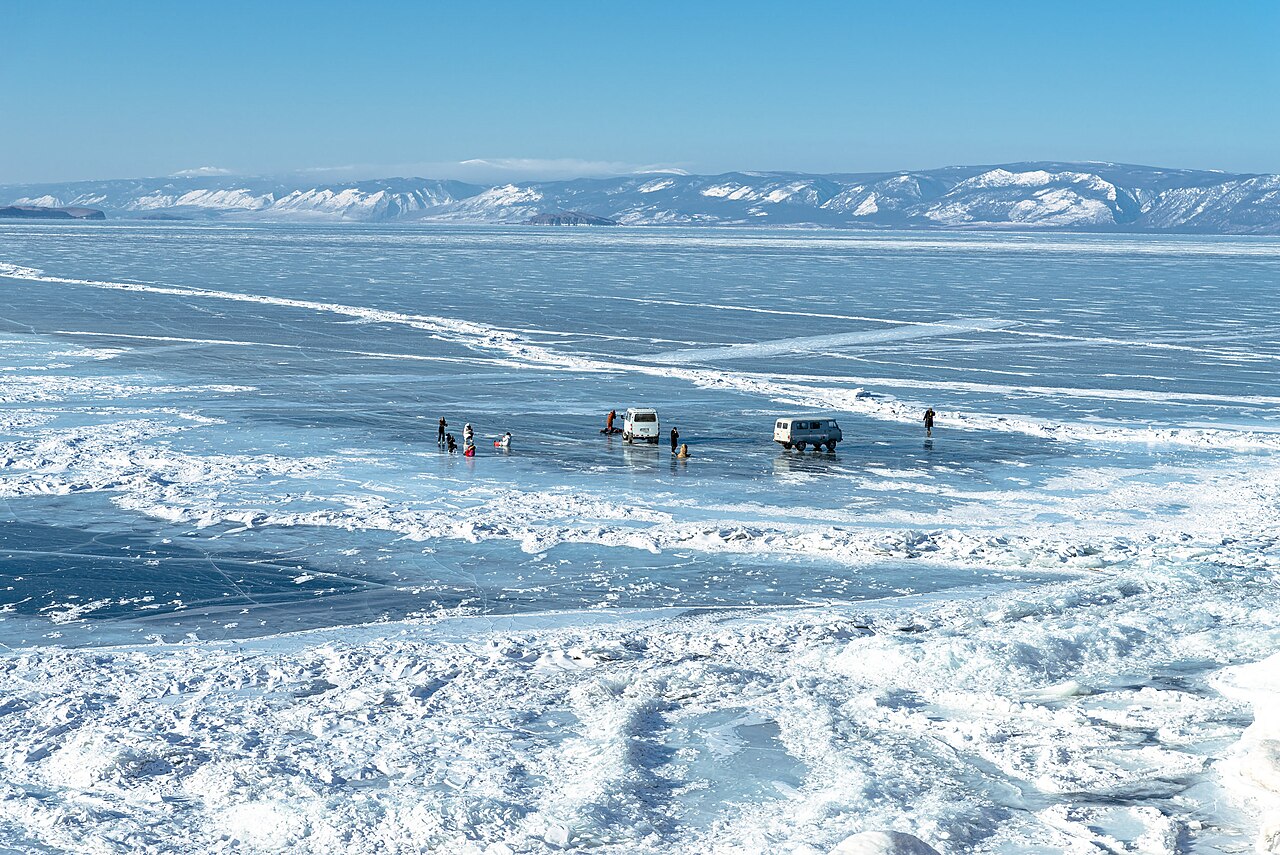
8. See a frozen lake or a winter coastline
Frozen lakes and winter coastlines offer a different kind of landscape from the mountain resorts most people associate with the season. Depending on the region, you may find ice formations, snow-covered shorelines, quiet viewpoints, or dramatic waves under a cold sky.
Lake Baikal in Siberia is known for its winter ice, while northern coastal regions offer opportunities to photograph snow, sea, and rugged rock formations together. These trips require careful planning: research local access, road conditions, weather, and any restrictions before traveling.
9. Book a cabin for a quiet weekend
A cabin stay can be a trip in itself. Choose a place near a forest, lake, or mountain village, then leave enough time to enjoy the setting instead of filling every hour with activities.
Before booking, check heating, road access, nearby shops, internet availability, and whether the property requires a car. If heavy snow is possible, ask the host about winter access and any equipment you may need. A remote cabin is less relaxing if you arrive without groceries or discover that the road is not passable.
10. Explore a city in the quieter season
Not every winter trip needs snow. Some cities are more comfortable to explore during the cooler months, when you can spend the day visiting museums, historic streets, markets, cafés, and restaurants without planning around summer heat.
Consider a winter city break in a place you would normally visit in spring or summer. Check seasonal opening hours and local events, and choose accommodation that makes walking or public transport convenient. Shorter daylight hours make it worth grouping outdoor sights together and saving indoor visits for later in the day.
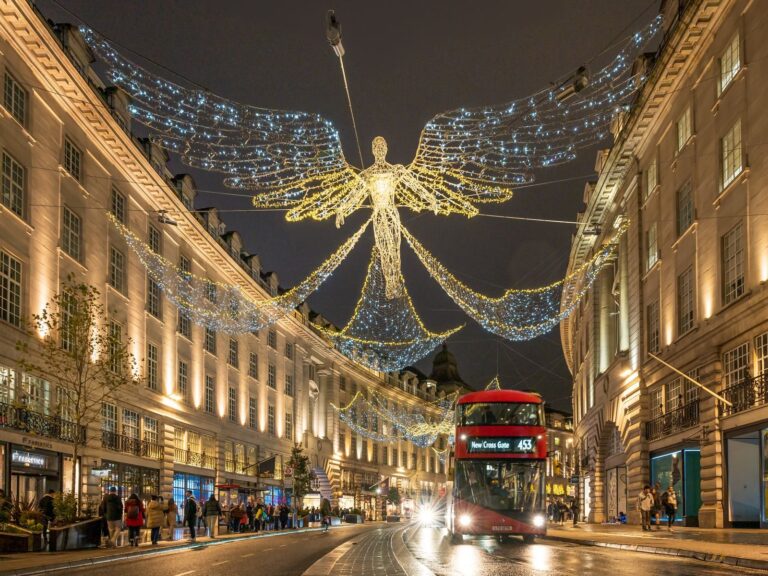
If festive travel appeals to you, our Christmas in London guide offers ideas for seasonal streets and city walks. You can also plan a European city escape with our Paris itinerary or Barcelona city guide.
11. Photograph a winter sunrise
Set an alarm for one early morning and head to a safe viewpoint before the day gets busy. Snow-covered rooftops, mountain ridges, bare trees, and quiet waterfronts can look very different in the first light.
Check sunrise time, dress for standing still in the cold, and bring a spare battery if you use a camera. You do not need specialist equipment to enjoy the outing; a phone and a little patience are enough to record the changing light.
12. Try a local winter dish
Cold-weather travel is a good excuse to explore regional food. Depending on where you go, you might find hearty soups, baked dishes, dumplings, seasonal pastries, or hot drinks associated with local winter traditions.
Ask restaurant staff what is in season and look beyond the most photographed cafés. A neighborhood bakery or a small restaurant can give you a better sense of everyday food culture than a meal chosen only because it is famous online.
13. Visit a winter market or seasonal festival
Markets and festivals can add a social side to a winter trip. Some focus on crafts and food, while others include music, outdoor activities, or holiday decorations. Dates and opening days vary from year to year, so check the official event website before booking transport or accommodation.
When planning a market visit, consider going earlier in the day if you prefer smaller crowds. Keep some flexibility in your schedule so you can browse stalls, stop for food, and explore the surrounding streets without rushing.
14. Try snowshoeing in a national park
Snowshoeing lets you cover snowy trails without the technique needed for downhill skiing. In some parks, guided outings introduce visitors to winter landscapes while helping them understand trail conditions, wildlife, and local safety rules.
Choose a guided trip if you are new to the activity or unfamiliar with the area. Trail closures, avalanche risk, and rapidly changing weather can affect where it is safe to go. Check the park authority’s current advice instead of relying on an old route description.
15. Spend a day without a packed itinerary
Leave one day open. Walk through a neighborhood, stop for coffee when you feel cold, browse a local shop, or stay longer at a viewpoint than you planned. Winter days can be short, and a slower schedule makes it easier to respond to the weather.
This is especially useful on longer trips. A flexible day gives you room to recover after outdoor activities, move plans around when conditions change, or revisit a place you enjoyed earlier in the week.
How to plan your winter bucket list
You do not need to travel far or spend a lot to make winter memorable. Start by choosing the kind of experience you want, then compare destinations based on access, weather, accommodation, and the activities available during your dates.
- For northern lights: Allow several nights and keep plans flexible around weather conditions.
- For mountain scenery: Choose a village with accessible trails, lifts, or rail connections.
- For outdoor activity: Check trail conditions, daylight, and safety guidance before leaving.
- For a relaxing break: Look for thermal baths, a cabin, or a city with good cafés and museums.
- For a lower-cost trip: Compare travel dates, use public transport where practical, and choose a few free outdoor activities.
Pack layers that can be adjusted, waterproof footwear where needed, gloves, and a warm hat. Check baggage allowances before flying with bulky equipment, and rent specialist gear at your destination when that makes more sense than bringing it from home.
A winter bucket list worth making your own
The best winter plans depend on what you enjoy. One traveler might spend a week looking for the northern lights, while another prefers a quiet cabin and short walks through the snow. Someone else might choose museums, seasonal food, and city streets that are easier to explore in cooler weather.
Pick two or three experiences that genuinely appeal to you. Research the practical details, allow room for weather changes, and avoid trying to fit an entire season into one trip. A well-planned winter escape can be as simple as a scenic train journey and a few days in a place you have wanted to see for years.
For more seasonal travel ideas, browse our London Christmas guide, Paris three-day itinerary, and Barcelona city guide.